Protein Design – Unlocking the Future of Medicine
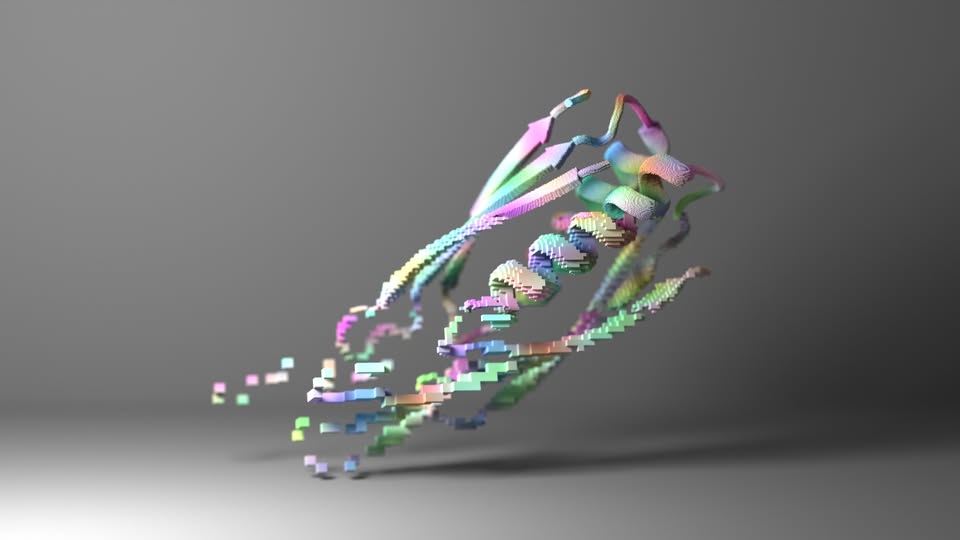
Protein Design – Unlocking the Future of Medicine
Have you ever imagined creating enzymes that kill drug-resistant bacteria or proteins capable of self-repairing damaged cells? This might have sounded like science fiction, but thanks to remarkable advancements in computational biology—especially the work of researcher David Baker and his colleagues—protein design has now become a reality!
David Baker and the Revolution in Protein Design
David Baker, a leading computational biologist, pioneered the protein design revolution by developing advanced machine learning algorithms. Instead of spending decades studying protein structures, his team can predict the 3D structure of proteins in just a few days, opening up numerous breakthrough applications for medicine and biotechnology.
How Does Protein Design Work?
The process of designing a new protein includes the following main steps:
Identifying the desired function: For example, an enzyme that degrades pollutants or an antibody that targets cancer cells.
Structural design: Using simulation software and AI algorithms to create an appropriate 3D structure.
Gene synthesis: Constructing the gene sequence corresponding to the new protein structure.
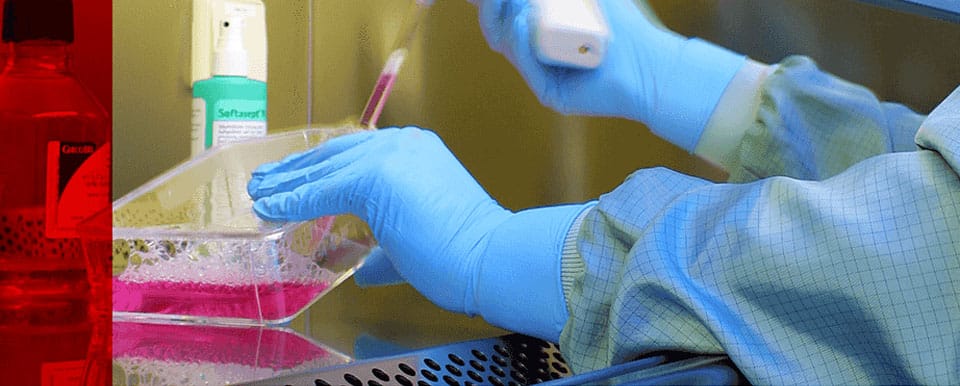
Protein expression: Introducing the gene into host cells (E. coli or yeast) to produce the protein.
Purification and testing: Ensuring the protein possesses the exact structure and function as designed.
Opening a New Direction for Medicine
Protein design technology promises major breakthroughs in:
Drug discovery and development: Targeting therapeutics for cancer, infectious diseases, and neurodegenerative disorders.
Novel vaccine creation: Proteins can serve as antigens to induce effective immunity.
Treatment of genetic diseases: Replacing or supplementing deficient proteins in the body.
Biofuel production: Proteins catalyzing chemical reactions in clean energy production.
Thanks to advancements in protein design, we are witnessing a shift from conventional medicine to breakthrough solutions, helping improve quality of life and fight many incurable diseases. With limitless potential, protein design is poised to be the key to unlocking a new era in medicine and biotechnology, bringing hope for a future where human health is more optimally protected than ever.