Essential information to know about autoclaves
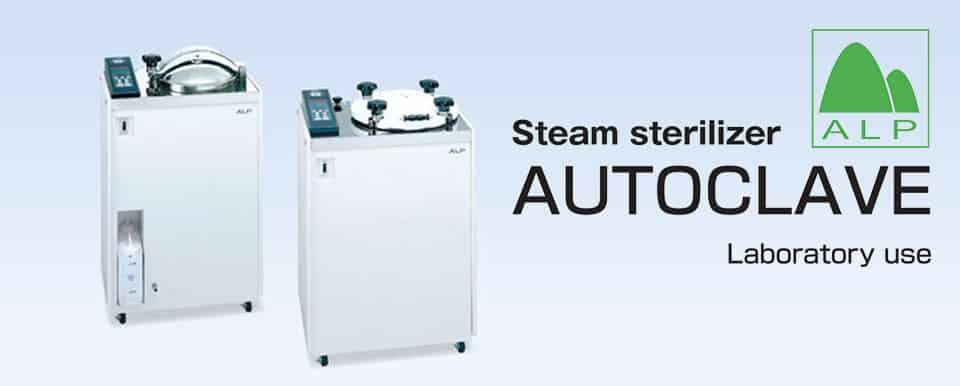
Autoclaves are widely used across various fields. However, many people still do not know what an autoclave is, what its functions are, and how to use it. Even professionals in the industry may not fully understand it. If you are one of them, do not miss the information shared below.
What is an autoclave sterilizer?
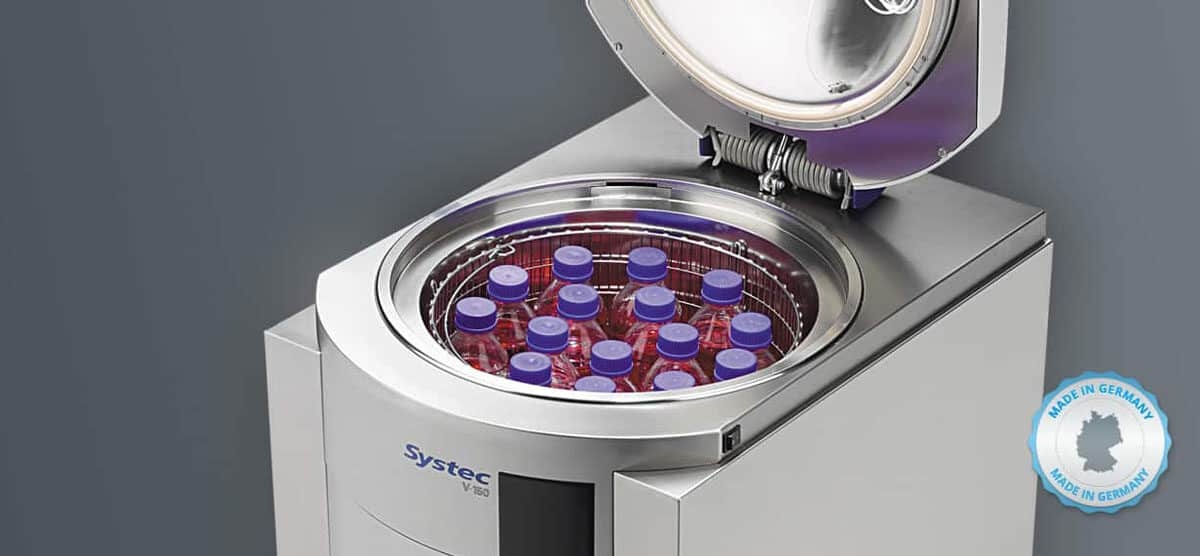
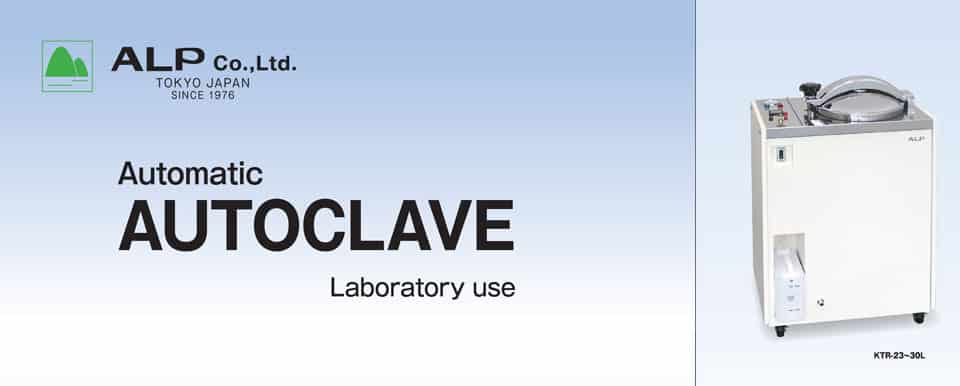
The product is known in English as an autoclave sterilizer. Its primary function is to sterilize and disinfect medical instruments, microbiology lab equipment, etc., to eliminate and prevent the spread of bacteria. While there are many different sterilization and disinfection techniques on the market today, autoclaves remain the most preferred and widely used.
Applications of autoclaves:
- In laboratories: Sterilizing laboratory equipment and instruments to eliminate all bacteria, viruses, fungi, and spores. Autoclaves are widely used in microbiology, pharmaceuticals, medicine, veterinary medicine, bacteriology, manufacturing, and more. They come in various types and sizes, depending on the sterilization application.
- In the medical field: A notable and increasingly common recent application of autoclaves is the pre-treatment and sterilization of waste, such as pathogenic hospital waste. They can neutralize potentially infectious agents using thermal steam sterilization with saturated steam under high pressure.
The autoclave operates on the principle of evaporating the water within protoplasm, thereby rupturing cell walls to destroy bacteria and harmful microorganisms. When the equipment temperature is raised abruptly, evaporation occurs rapidly and this shell ruptures instantaneously. At approximately 121°C, bacteria can be eliminated under high pressure through the action of saturated steam in just 5 to 15 minutes.
The most common sterilization method using an autoclave
- Thermal sterilization
Bacteria and viruses can be effectively killed when exposed to high temperatures. Therefore, maintaining a high temperature for a specific duration can eliminate harmful bacteria quickly and effectively. The sterilization time and temperature must be adjusted according to the type of material, quantity of instruments, etc. - Steam sterilization
Combining pressure with temperature is the most common method used in autoclaves. A temperature above 121°C maintained for a certain duration provides sufficient time to completely kill bacteria. High-temperature steam is highly effective in destroying heat-resistant endospores. - Pasteurization
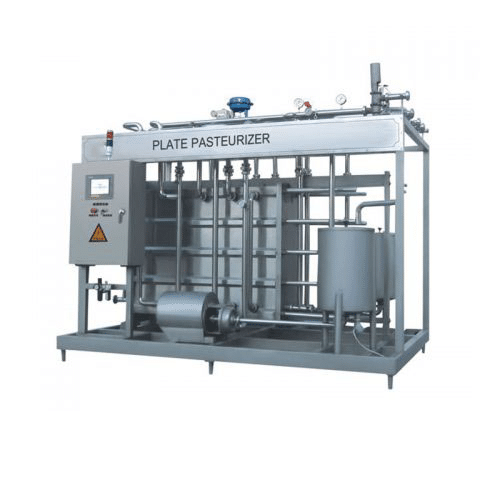
This method is milder than the two methods mentioned above. Pasteurization does not kill all microbial cells; instead, it inhibits and slows down their growth. This method is widely applied in the production of fresh milk.
How to use an autoclave
Steam sterilizers are increasingly widely used. Before learning how to use them, you need to better understand the construction of this equipment:
The equipment includes:
- Door clamping nut.
- Power switch.
- Door handle.
- Sterilization timer.
- Temperature control knob.
- Cover.
- Drying timer.
- Power indicator.
- Pressure and temperature gauge.
- Heating and sterilizing indicator.
- Emergency exhaust switch.
- Start switch
- Drying indicator
- Chamber capacity: 50 liters
- Complete indicator.
- Thermometer temperature: 140 °C.
- Safety devices include: Dual sensor interlock system; overpressure detection sensor; overtemperature detection sensor; low-water level safety protection device; safety pressure valve; short-circuit and overcurrent protection; power failure process memory.
Preparation and installation of the autoclave
- First, place the autoclave on a flat, level surface and maintain a distance of more than 5cm between the wall and the unit's casing.
- Next, check the power supply from 220V to 240V.
- Plug the power cord into the mains.
- Pour distilled water into the chamber, stopping at about 3000cc.
- Attach the exhaust hose: one end to the drainage system, and the other end to the 10mm mm hose barb at the back of the machine. For added safety, connect a tube from the overpressure safety valve to the drainage system.
- Finally, press the power switch. The illuminated power indicator light indicates that the machine is ready for operation.
With the detailed information about autoclaves above, we hope to help you better understand this product as well as use it properly. If you need to purchase or seek installation advice for medical or laboratory equipment, please Contact us at Hoa Viet; we are always ready to assist. With years of experience, Hoa Viet is confident in providing you with the highest quality services.
Contact information:
Hoa Viet Co., Ltd.
Address: 229 – 231 Le Cao Lang, Phu Thanh Ward, Tan Phu District, Ho Chi Minh City
Hotline: 028 39 789 666