
 All
 SYKAM - Germany
 Systec - Germany
 Atago - Japan
 Sartorius - Germany
 Shimadzu - Japan
 Binder - Germany
 Interscience - France
 Haier - China
 Rocker - Taiwan
 Hirschmann - Germany
 Newstar - China
 Jet Biofil - China
 Nabertherm - Germany
 Vitlab - Germany
 Alla - France
 AT-OS - Italy
 Jipo - Czech Republic
 ALP - Japan
 Aptaca - Italy
 Assistent - Germany
 Yamato - Japan
 Burkle - Germany
 Aureole - India
 Duran - Germany
 Azlon - Anh
 Kimble-DWK - USA
 Julabo - Germany
 B+S - Anh
 SI Analytics - Germany
 WTW - Germany
 EBRO - Germany
 Sturdy - Taiwan
 PTI - USA
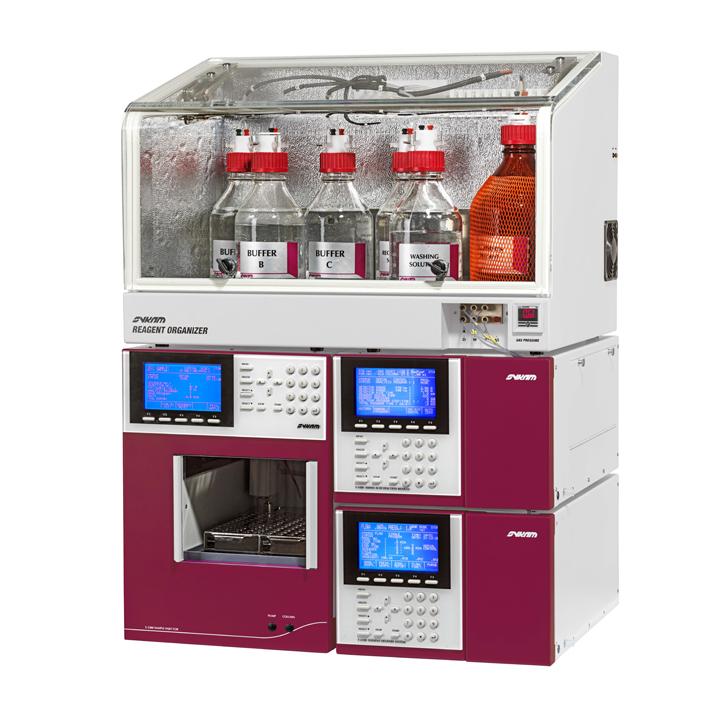 Analytical Equipment
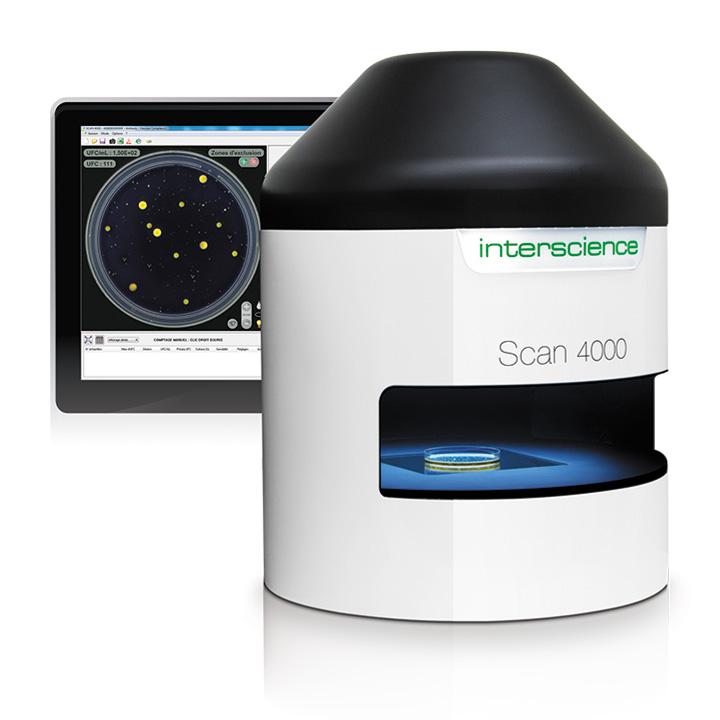 Microbiology Equipment
- Gravimetric Diluters and Sample Weighing Systems
- Mediaprep Automated Media Preparators
- Mediafill Automated Media Distributors
- Manual Media Dispensers
- Lab Blenders / Homogenizers
- Automated Spiral Platers
- Manual Colony Counters
- Automated Colony Counters
- Inhibition Zone Readers
- Automated Incubators and Colony Counters
- Biosafety Cabinets
- Laminar Flow Hoods
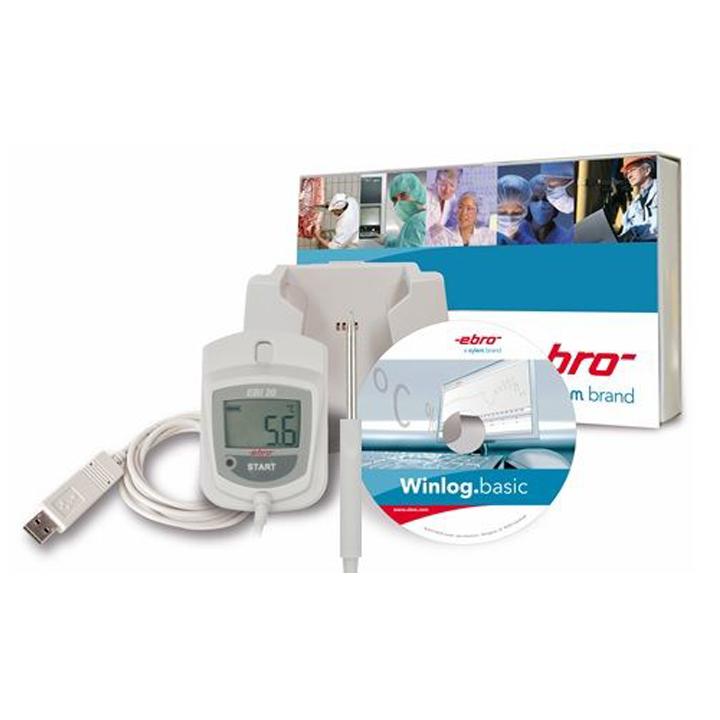 Temperature, Humidity, and Pressure Measuring Instruments
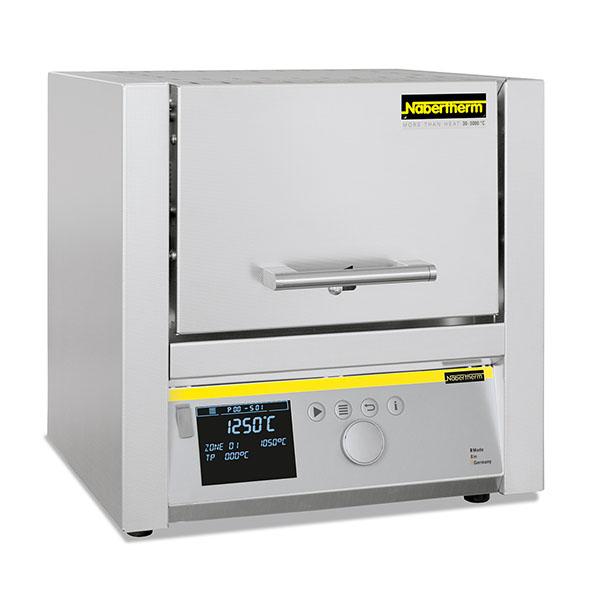 Other Basic Equipment
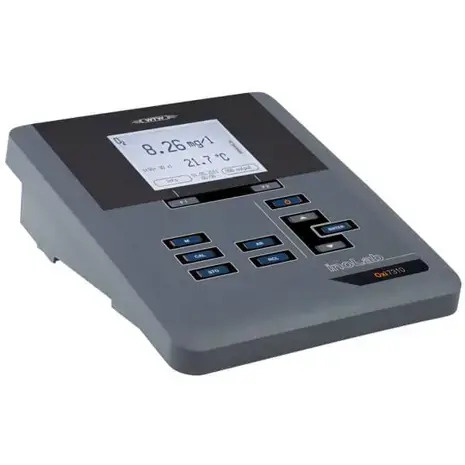 Multiparameter Water Quality Meters
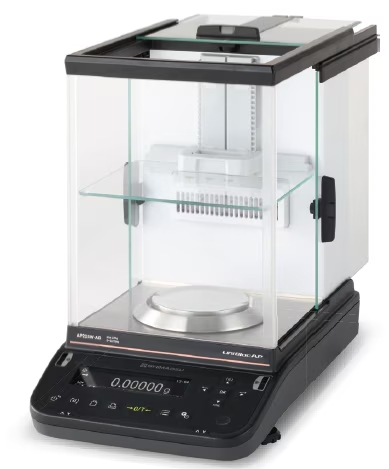 Balances
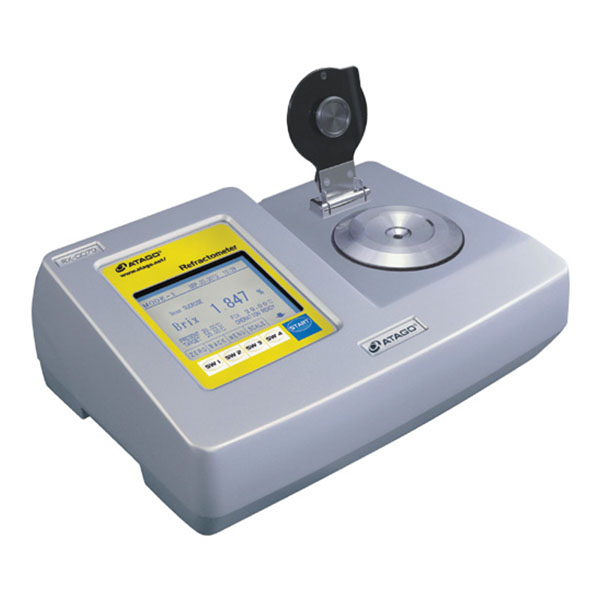 Polarimeters, Refractometers
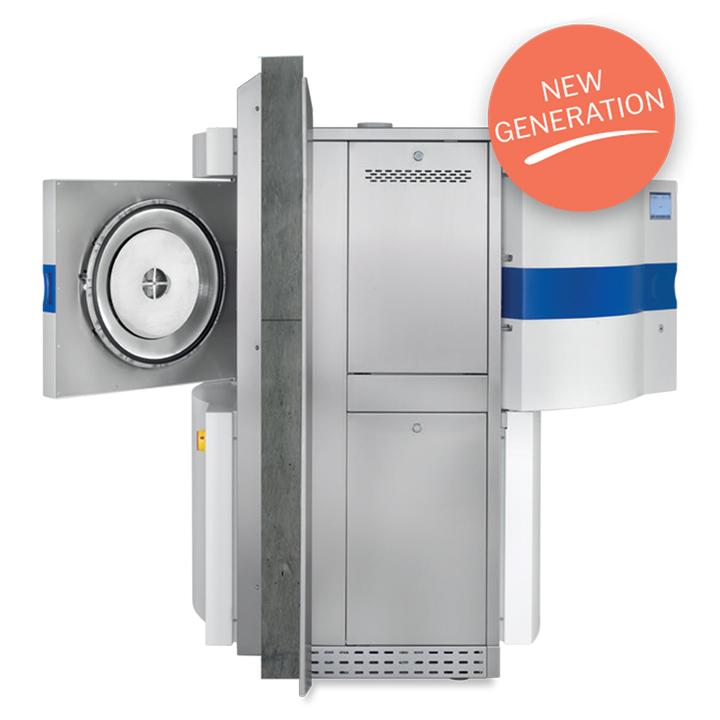 Autoclaves
 Biotechnology Equipment and Solutions
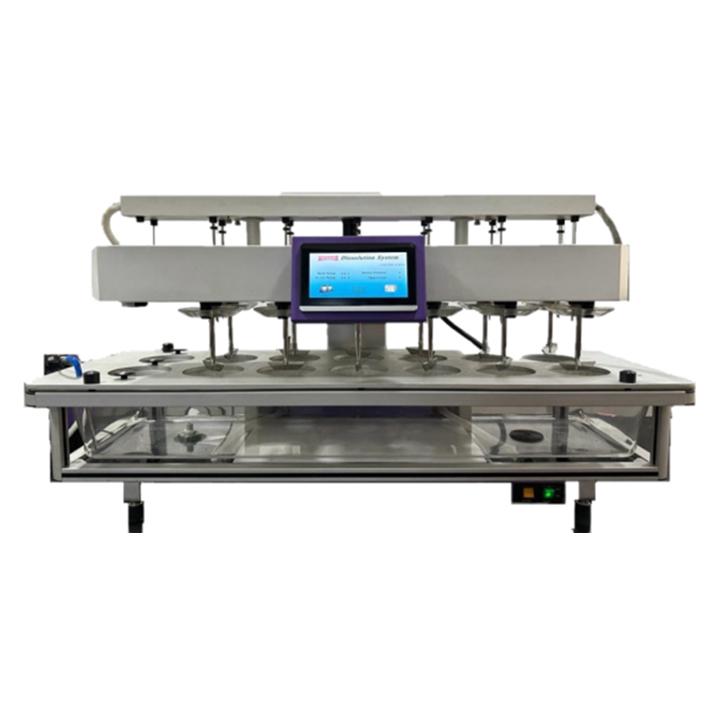 Pharmaceutical Equipment
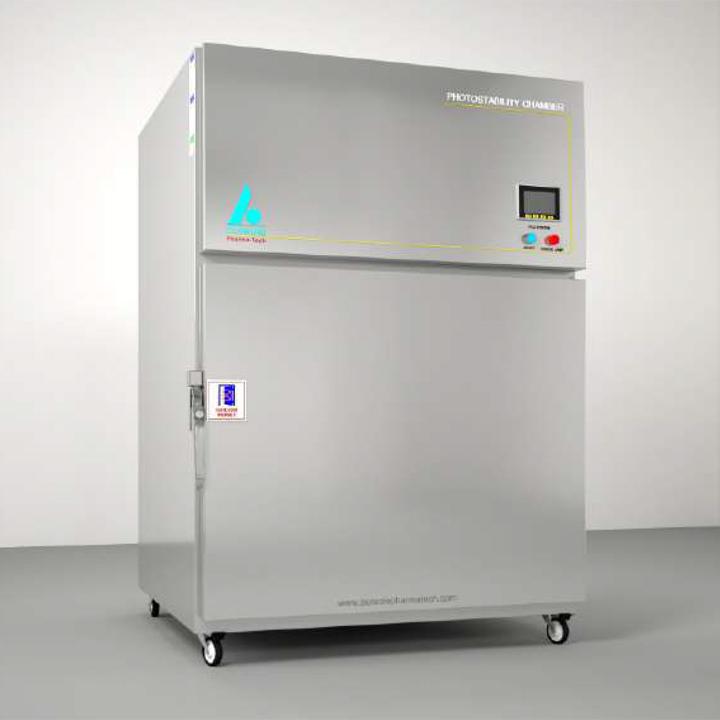 Shelf-life Testing Equipment
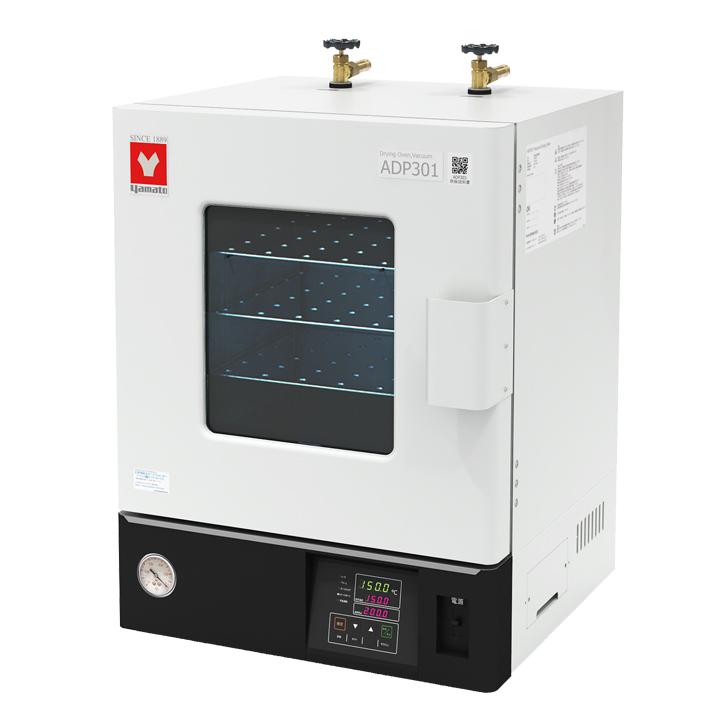 Drying Ovens
 Incubators
 Laboratory Flasks
 Beakers, Measuring Jugs
 Liquid Handling Tools
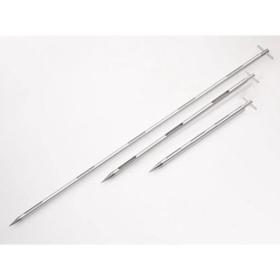 Sampling Tools
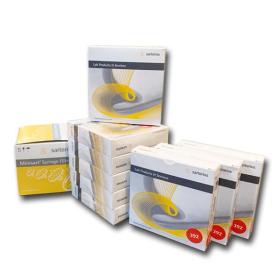 Filtration Tools and Consumables
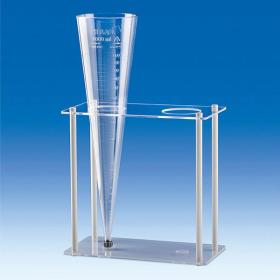 Racks and Stands
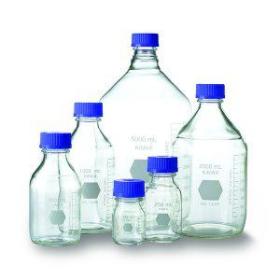 Laboratory Bottles and Vials
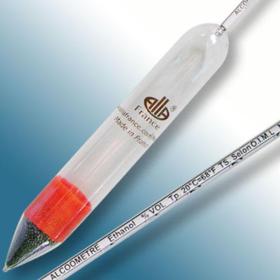 Thermometers, Hydrometers, Baumé Hydrometers, Alcoholmeters
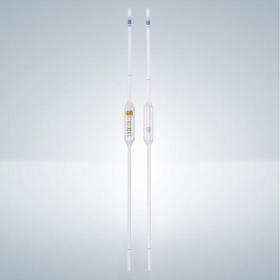 Pipettes
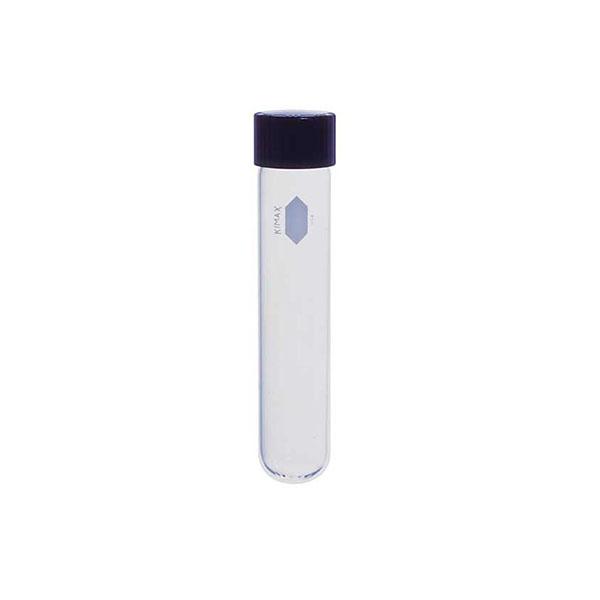 Test tubes
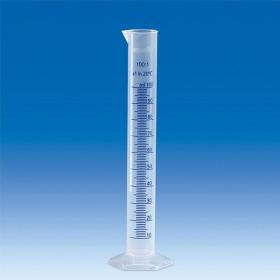 Graduated cylinders
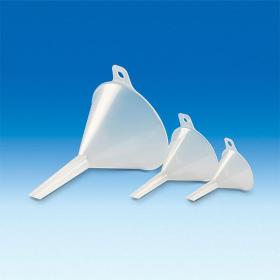 Funnels
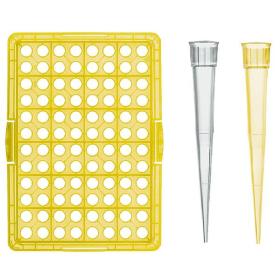 Tips & tip boxes
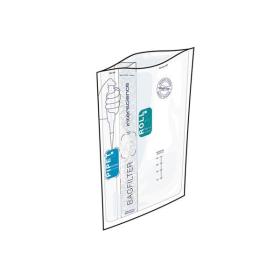 Homogenizer bags
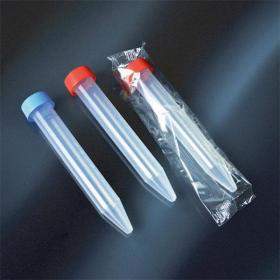 Centrifuge tubes
 Petri dishes
 Others
- Glass capillary tubes
- Glass melting point tubes
- Condensers
- Plastic weighing boats
- Glass stirring rods
- Filtration and separation equipment
- Alcohol burners
- Glass weighing bottles
- Crucibles
- Crucible tongs
- Blender bag openers
- BagClip sealing clips
- Autoclave deodorant capsules
- Magnetic stir bars
- Test tube brushes
- Glass watch glasses
- Glass beads
- Glass wool
- Glass slides
- Plastic buckets
- Stainless steel bucket
- Rubber bulb
- Inoculation loop
- Sampling rod
- Plastic spoon
- Stainless steel spoon
- Plastic tweezers
- Glass burette
- Glass slide
- Glass filter crucible
Centrifuge tubes
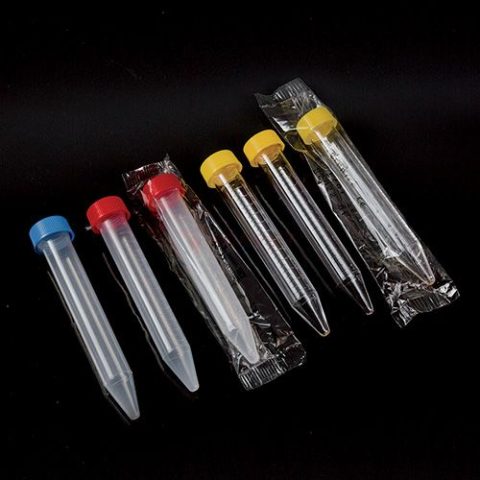
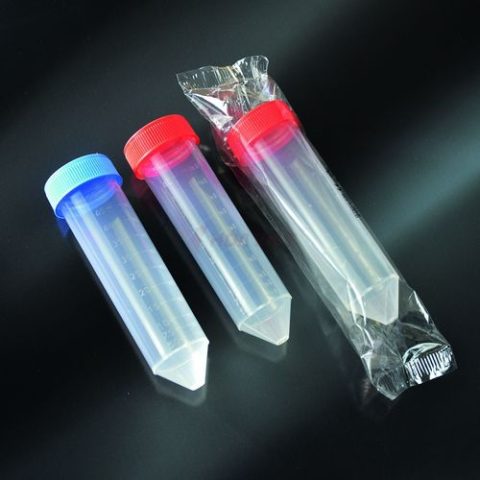
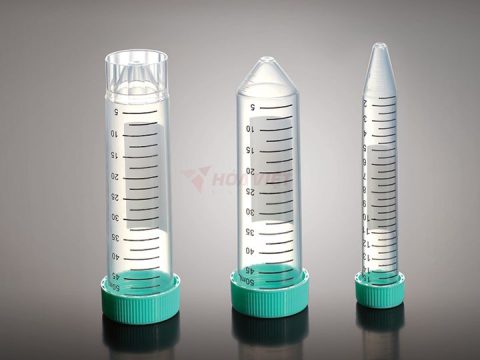
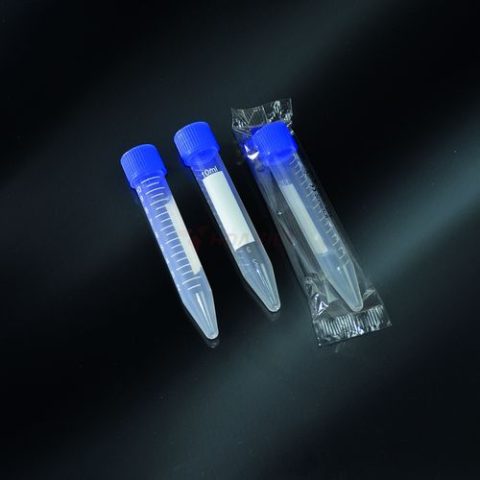
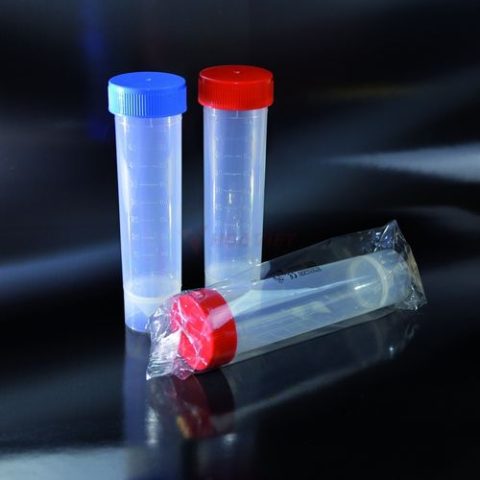
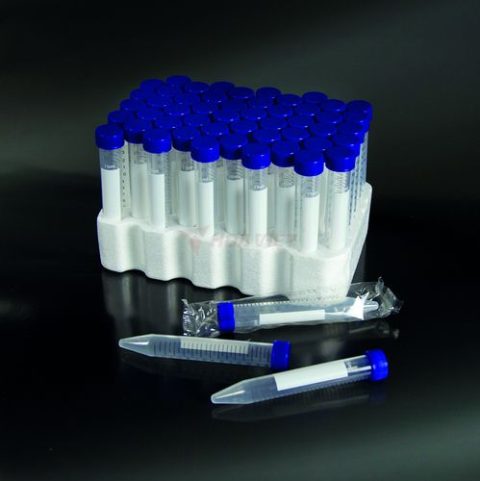
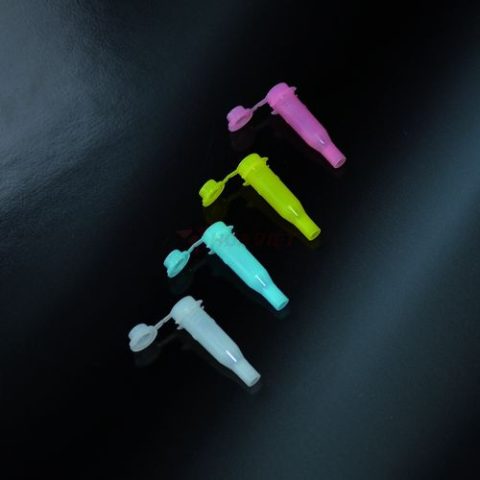
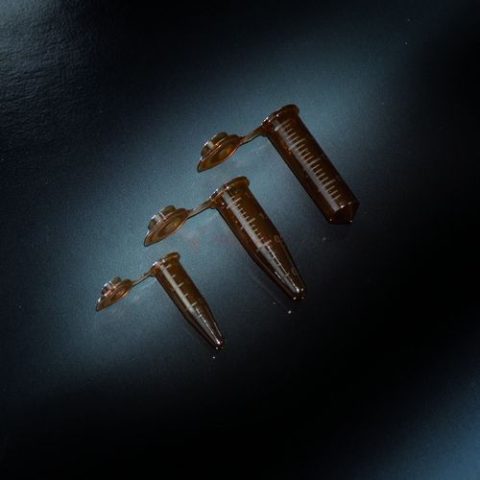
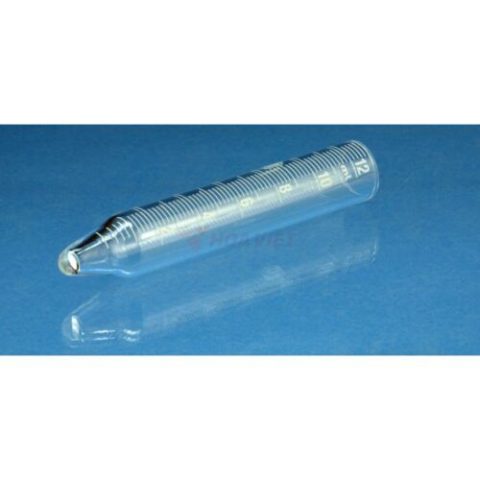
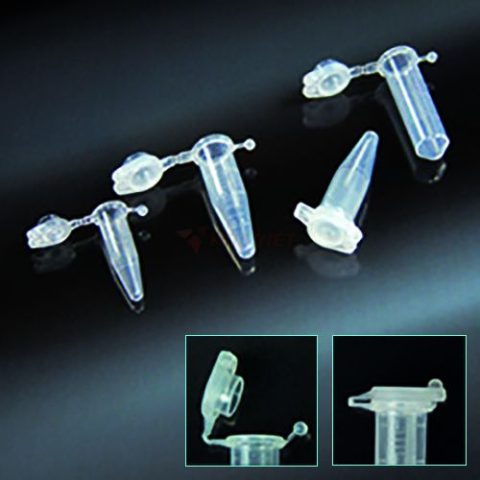
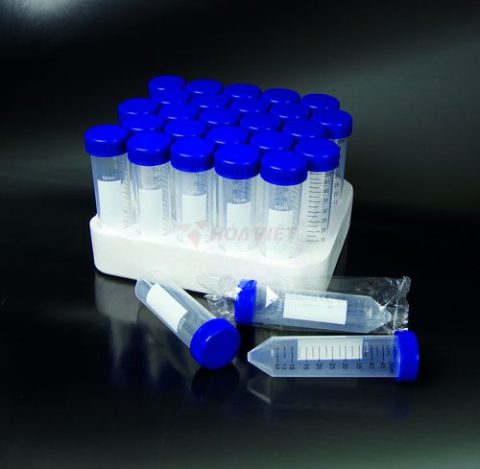
Introduction to Centrifuge tubes
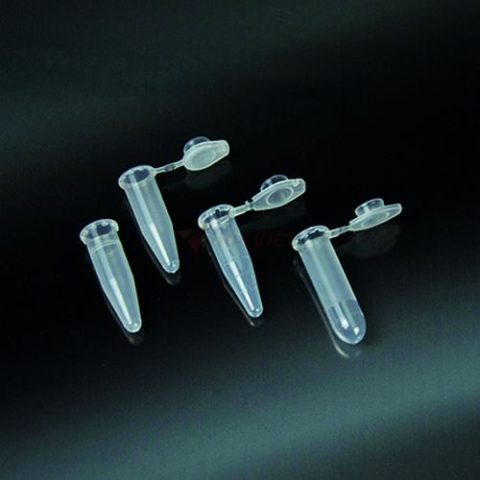
Centrifuge tubes are specialized labware used to contain and separate liquid samples under centrifugal force in laboratories. They are widely used in cell biology, immunology, microbiology, and molecular biology for precipitating pellets, collecting supernatants, or separating biological components.
When selecting centrifuge tubes, users should consider the material of construction, such as PP, PS, PE, or borosilicate glass 3.3; bottom design (conical, round, or flat); and volume ranges from 0.2ml PCR tubes, 0.5ml to 2ml Eppendorf tubes, up to 15ml, 50ml, and 100ml centrifuge tubes. In addition, graduations, screw caps or snap caps, sterility levels, and rotor RCF tolerance are also important criteria. Hoa Viet currently distributes centrifuge tubes from Aptaca (Italy), Assistent (Germany), Jet Biofil (China), and Kimble-DWK (USA).
How to choose the right centrifuge tube for your experiment?
Users need to determine the sample volume to be processed (such as 0.2ml, 1.5ml, 15ml, or 50ml), chemical-compatible materials (plastic or glass), and conical, round, or flat bottom shapes compatible with the centrifuge rotor. In addition, consider whether the sample requires sterility to ensure analytical accuracy.
Are PP plastic centrifuge tubes autoclavable?
Many polypropylene (PP) plastic centrifuge tube lines, such as Aptaca products, are autoclavable at +121 °C. Users should check the technical specifications of each product before autoclaving to avoid deforming the cap and tube body.
What are borosilicate 3.3 glass centrifuge tubes typically used for?
Borosilicate 3.3 glass centrifuge tubes offer high chemical resistance and inertness, making them suitable for analytical applications requiring exposure to organic solvents or high temperatures. These tubes typically feature clear graduations with conical or round bottoms for easy observation and volume quantification.
Which brands of centrifuge tubes does Hoa Viet supply?
Hoa Viet supplies a full range of glass centrifuge tubes, plastic centrifuge tubes, eppendorf tubes, and PCR tubes from Aptaca (Italy), Assistent (Germany), Jet Biofil (China), and Kimble-DWK (USA). Please contact Hoa Viet directly for technical advice and to Request a quote.
