Evaluation of climate chambers with extended humidity ranges
A climatic chamber, also known as an environmental test chamber, is a specialized device used to create the necessary conditions to test the stability of products and materials placed inside the chamber. This process involves variations and transitions to simulate different temperature, humidity, and light conditions. Therefore, climatic chambers with extended humidity ranges attract significant interest and attention. Let us explore this in greater depth in the article below!
What is the role of climate chambers with extended humidity ranges in scientific research and testing?
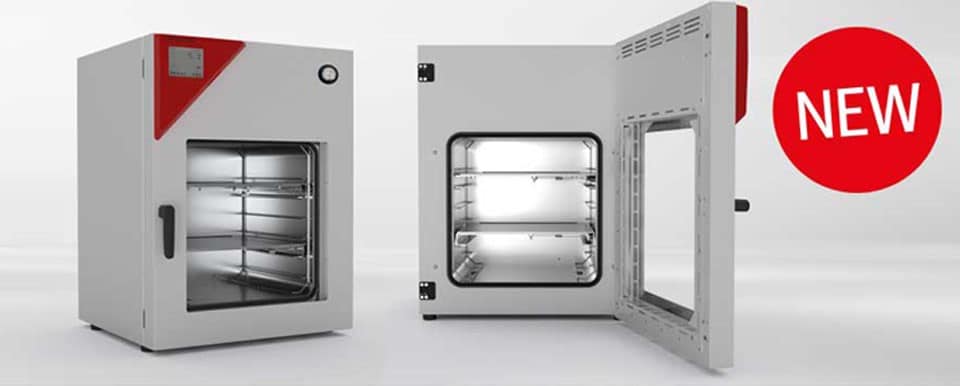
With modern, smart designs, climate chambers are specialized scientific instruments that generate ideal, stable temperature, humidity, and lighting conditions to test specimens under changing environmental conditions.
Role
Currently on the market, there are many designs of climate chambers with extended humidity ranges to meet diverse testing purposes and requirements. Upon completion of the testing process, operators collect and record accurate data throughout the entire cycle.
The chamber systems and humidifiers designed inside climate chambers are decisive factors affecting test and experimental results. These components are precisely adjusted to achieve optimal uniformity at all points within the chamber.
Uniform climatic conditions for test specimens are essential because they provide the most objective evaluation results. Especially for long-term tests conforming to GLP and GMP standards, climate chambers with extended humidity ranges are more indispensable than ever.
Operating principle
Humidifier with an extended humidity range connected to a capacitive humidity sensor. Operating quickly and efficiently, it delivers rapid response times, precise measurements, and short recovery times after door openings. Sample testing results achieve FDA compliance thanks to the microprocessor-controlled humidification and dehumidification system.
Meanwhile, to provide continuous, steady, and standard-compliant humidification, the humidifier connects to an easy-to-use (plug and play) water supply system. This offers options such as connecting to a direct water supply line or a water tank, making it easy for users to move the chamber anywhere.
The climatic test chamber with extended humidity range is also operated in tandem with an HMI (Human-Machine Interface) featuring an intuitive touchscreen. Operators performing these experiments can control and track all data via the HMI. The controller also includes comprehensive, secure data logging complying with FDA, GLP, GMP standards, allowing users to easily cross-reference when conducting experiments.
Evaluation of climate chambers with extended humidity ranges
Evaluating climate chambers with extended humidity ranges is extremely important and must be performed using proper methods.
What is the testing methodology?
To ensure the results of a stability test are reliable and usable, stability chambers must provide homogeneous conditions with constant humidity, temperature, and light throughout the testing process. Even the slightest external influence can distort and affect the final results. That is why evaluations of stability chambers with an extended humidity range are crucial for various stability tests.
Classification of climate chamber evaluations with extended humidity ranges
There are 4 main stability test types for climatic chambers performed with the extended humidity range as follows:
- Long-term testing is a test method used to observe changes in samples under normal temperature and humidity conditions. Samples are tested at actual temperatures and humidity levels corresponding to each climatic zone. During this period, active ingredients in samples, products, or pharmaceuticals are analyzed regularly while still inside the climatic chamber. Depending on the characteristics or testing objectives, this evaluation process can vary in duration.
- Ongoing stability testing is an evaluation used to verify whether the quality of specimens and pharmaceutical products is maintained even after their expiration date. This evaluation is conducted under GMP standards requiring continuous analysis to ensure product quality remains unchanged after market release.
- Accelerated shelf-life testing evaluates climate chambers with an extended humidity range through tests that simulate the aging of samples over time, but are conducted using time-accelerated methods. These tests are typically performed at elevated temperatures and progressively lower humidity levels. This method can yield test results within 5 weeks, whereas under normal conditions, it could take several years.
- Stress tests are stability tests under extreme conditions clearly specified in ICH Q1A guidelines. However, this is an uncommon test as only a few climate chamber manufacturers have the capability to support this testing methodology.
We hope the information provided above on climate chambers with extended humidity ranges has given you valuable insights. High-quality climate chambers packed with versatile features are currently available at Hoa Viet. Contact the company today for the best advice and purchases.