Environmental impact of solar power.

"Switch to solar energy to save the Earth." This is a phrase we have heard many times as climate change becomes more severe. This is (almost) true because solar energy is a clean energy source, generating electricity without producing toxic carbon emissions. But just how "clean" are solar panels?
The manufacturing process of solar panels relies on fossil fuels, involves mining precious metals, and directly contributes to greenhouse gas emissions and pollution. Before exploring the "carbon footprint" of these panels, we would like to clarify that this article is not intended to boycott the use of solar panels, but rather to provide a more balanced perspective on both the pros and cons.
As stated, while solar power is an eco-friendly energy solution, the raw materials and manufacturing process for solar panels carry a significant carbon footprint due to mining, smelting, and cooling. Most photovoltaic panels are made of silicon semiconductors and glass, along with metals such as silver, copper, indium, and tellurium. If solar batteries are included, lithium must also be added to the list. Mining these raw materials generates greenhouse gas emissions and can lead to soil, water, and air pollution.
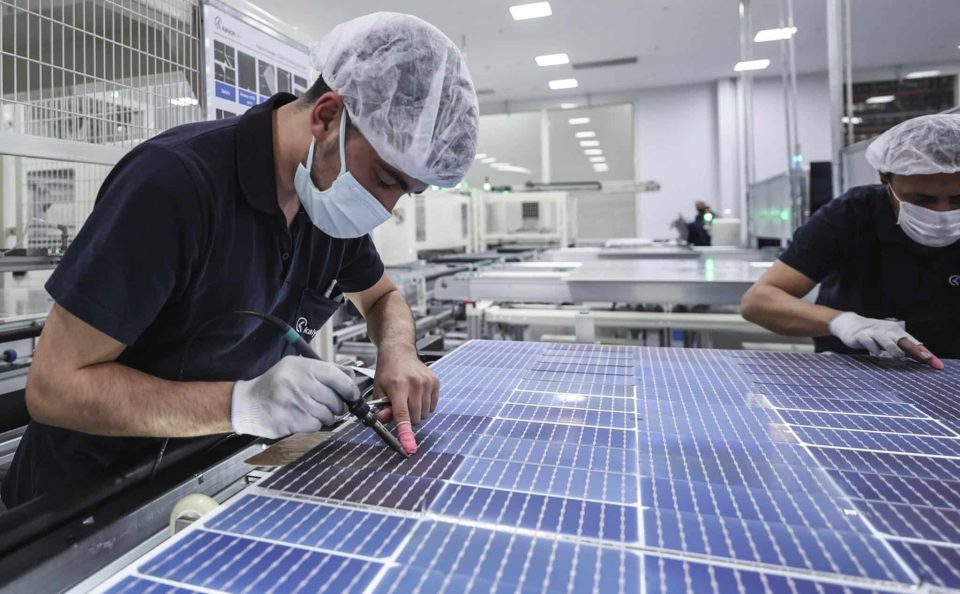
Solar panel manufacturing facilities, in many cases, require large areas of land for construction, which impacts wildlife. These centers also consume huge amounts of energy (largely from coal) to operate, especially for the silicon melting process. This is followed by the cooling stage, which requires vast amounts of water, putting pressure on the environment, particularly in arid and drought-prone regions.
There are three main types of solar panels: monocrystalline, polycrystalline, and thin-film – each works differently, meaning they have different carbon footprints. Monocrystalline is the most common type and has the highest energy conversion efficiency, ranging from 19 to 22%. Monocrystalline panels are made of pure silicon crystals sandwiched between thin sheets of glass. To produce a monocrystalline solar panel, a massive piece of silicon is cast into an ingot and then sliced into thin wafers to be mounted onto the solar panel. This is a complex process and consequently generates the highest emissions compared to other solar panel manufacturing methods.

Polycrystalline solar panels are also made from silicon, but instead of using a single block, silicon crystals are melted together and then placed onto the panel. Due to the melting process, polycrystalline solar panels require electrical energy to produce, though not as much as monocrystalline panels. Finally, thin-film solar panels can be made from several different materials, such as amorphous silicon, cadmium telluride (a type of silicon compound), or copper indium gallium selenide. Typically, thin-film panels have a smaller carbon footprint compared to monocrystalline and polycrystalline types. However, the downside is that they are manufactured from extremely toxic materials that can harm both humans and the environment if not handled properly.
Emissions from transporting solar panels are another challenge. While solar panels are manufactured worldwide, the majority are produced in China, followed by the US and Europe. Concentrating manufacturing in one country can require shipping components from other nations. However, it should also be noted that the carbon footprint of panel manufacturing remains negligible compared to conventional energy facilities, and is relatively small compared to oil drilling, hydraulic fracturing, or coal mining.
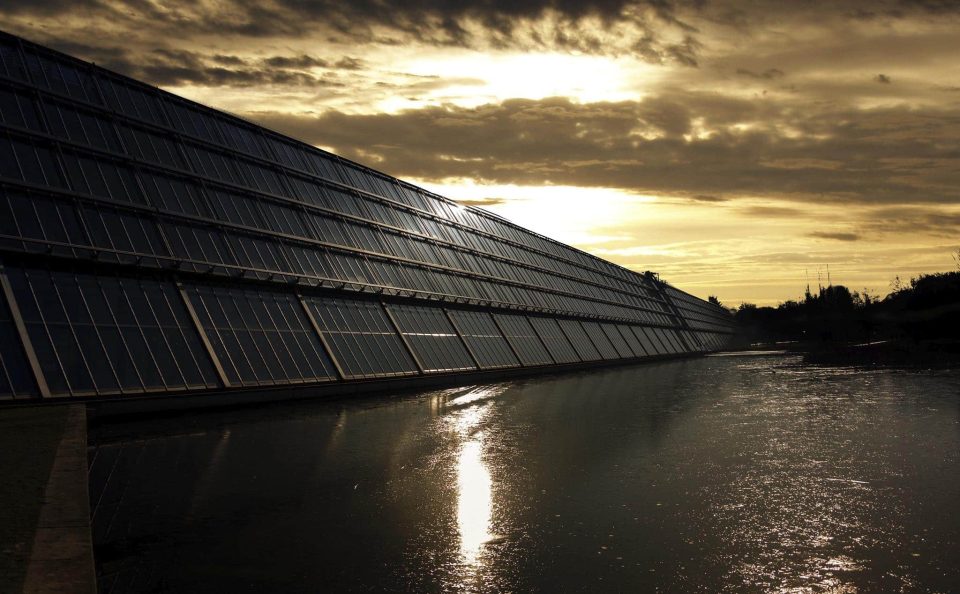
Beyond manufacturing, another challenge lies in recycling these panels after their 25-year lifespan. The Solar Energy Industries Association (SEIA) has set a goal for solar power to account for 30% of total energy generated in the US by 2030. Achieving that goal will require over 1 billion panels operating across the US over the next decade, driving the need for a better recycling solution for these panels. As mentioned, these panels consume substantial amounts of precious metals, and the carbon footprint of panel manufacturing could be reduced if these metals were recycled and repurposed instead of newly mined. However, rare precious metals are finite, and without viable recycling methods, a shortage of solar panels is foreseeable in the coming decades.
In summary, solar energy is far superior to other alternative energy sources. A study indicates that the carbon footprint produced by coal is 18 times higher, and that of natural gas is 13 times higher, compared to solar energy. Solar energy produces no emissions once the panels are manufactured. For this very reason, it is a solution to slow down climate change. However, if solar energy continues to grow as SEIA predicts, technology must also advance to minimize the environmental impact of panel manufacturing, and appropriate recycling methods must also be researched.