BINDER INCUBATORS – SUPPORTING STEM CELL RESEARCH AND APPLICATIONS
What is a stem cell (STEM CELL)?
- All cells in the body have specific purposes, but stem cells are cells that do not yet have a specific role (undifferentiated cells) and can become almost any cell required.
- Stem cells are undifferentiated cells that can turn into specific cells when needed by the body.
The role of stem cells
Scientists are interested in stem cells because they help explain how certain body functions operate and why they sometimes malfunction. Stem cells also show promise for use in treating several diseases that currently have no cure. Specifically:
- Better understanding the causes of disease occurrence;
- Generate healthy cells to replace diseased cells (regenerative medicine). Treat conditions such as: spinal cord injuries, type 1 diabetes, Parkinson's disease, Alzheimer's disease, cardiovascular disease, stroke, burns, cancer, and osteoarthritis,...
- Testing the efficacy and safety of new drugs.
Conditions for stem cell research
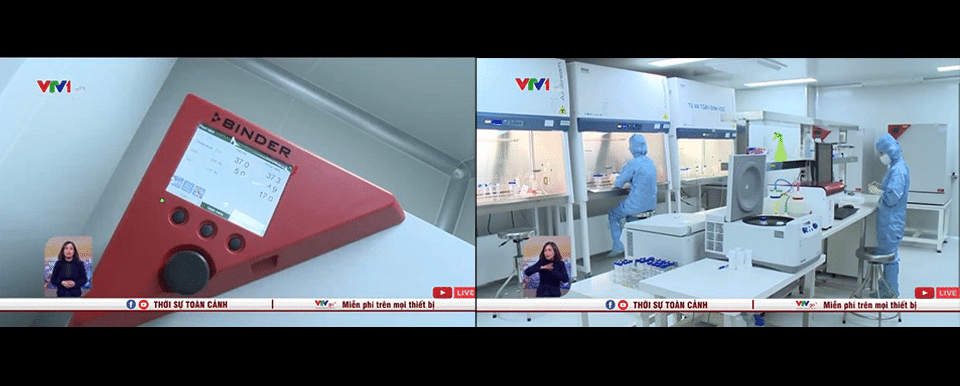
- The process of stem cell research and application must take place under the most optimal and precise conditions; therefore, stem cell laboratories need to be synchronously invested with equipment for basic research – applied research – molecular biology – cell biology – tissue and animal models.
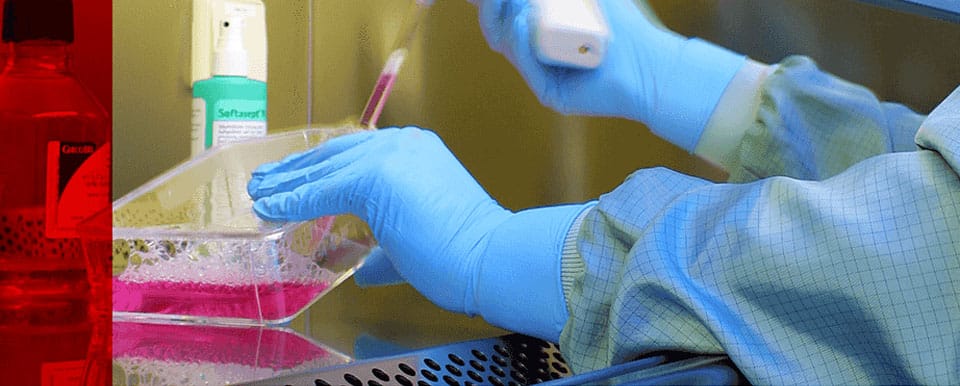
- Animal cell culture equipment systems play an essential role, needing to ensure sterility and precise parameter conditions. BINDER incubators create culture conditions that ensure extremely high temperature accuracy and uniformity.
Directions in stem cell research
Hepatobiliary regeneration; Cardiovascular diseases; Musculoskeletal diseases; Diabetes treatment; Screening bioactive compounds for cancer treatment; Immunotherapy in cancer treatment; Stem cell drugs; Developmental biology; Assisted reproduction,...
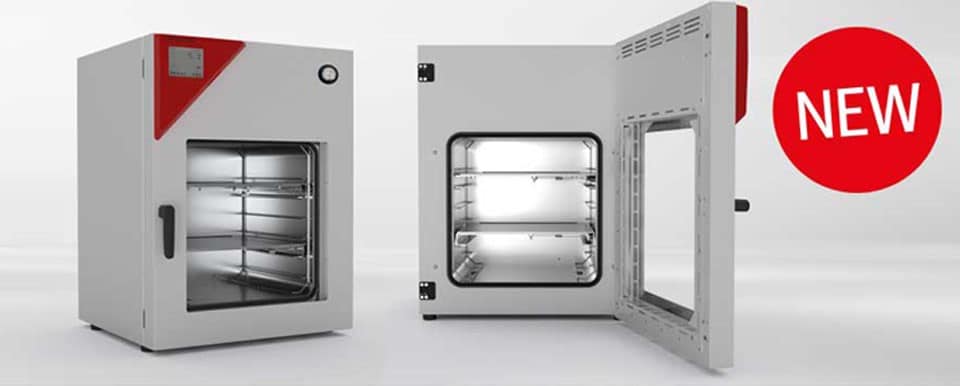
BINDER INCUBATORS with near-absolute precision thanks to APT.line technology. This is the perfect solution to meet cell culture requirements, delivering outstanding efficiency and helping culture the most temperature-sensitive cells with high reliability.