Are paper bags truly "greener" than plastic bags? What is a Carbon Footprint?
Are paper bags truly "greener" than plastic bags? What is a Carbon Footprint?
The environment has always been a key concern in recent years. In this article, I will share some environmental concepts that you might still be unsure about, while answering the question: Are paper bags truly "greener" than plastic bags, as we often think?
To answer directly: thinking that paper bags or paper items such as paper straws, paper boxes, etc., are always "greener" than other materials is a common misconception. Why is that?
What is a carbon footprint?
A carbon footprint (commonly measured in km, kg, or tonnes) is defined as the total greenhouse gas emissions of a product, service, etc., calculated from its production and use through to the end of its life cycle. These greenhouse gases primarily include carbon dioxide (CO2), methane (CH4), etc.
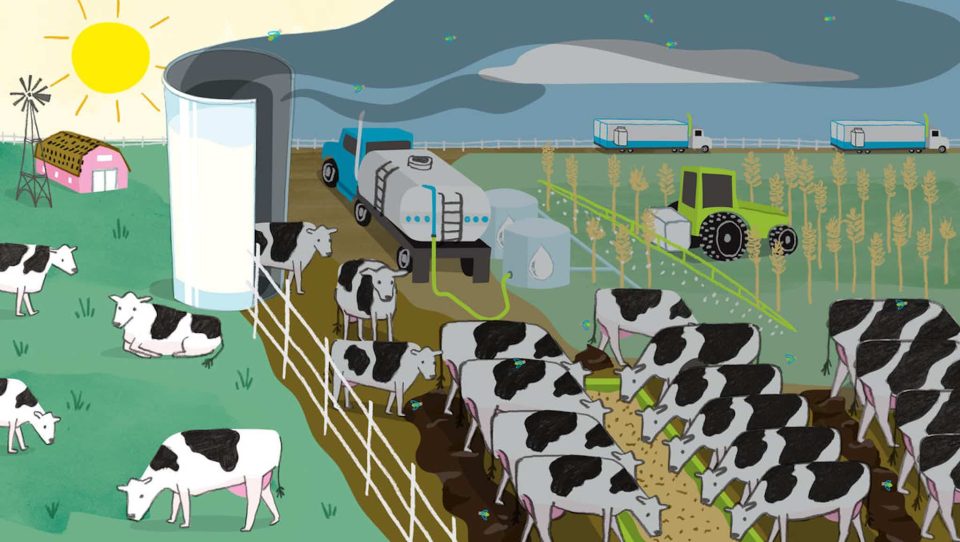
For example, when you eat beef, the process for that meat to reach your meal involves numerous stages, many of which generate greenhouse gas emissions. According to expert calculations, cattle farming typically produces more greenhouse gas emissions and consumes more resources than raising other animals. That is why one sometimes encounters campaigns advocating to stop eating beef to protect the environment.
How is a carbon footprint measured?
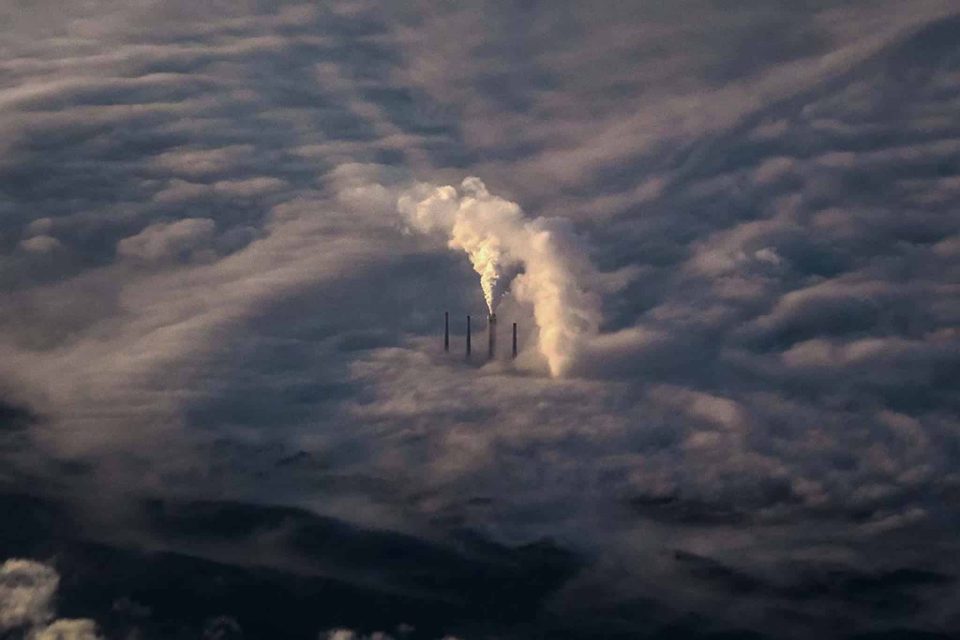
Measuring the carbon footprint of a product or service is often very complex, as they undergo numerous processes throughout their life cycle. Detailed measurement is the work of scientists and environmental experts; however, it can generally be understood that measurements rely on 3 main scopes:
- Measuring direct emissions: for example, when driving a gasoline-powered car, besides generating energy to move the vehicle, gasoline also produces direct carbon emissions.
- Indirect emission measurement: This is slightly more abstract because the product or process itself does not directly generate carbon emissions. However, the processes that create it do. For example, when you use an air conditioner, it consumes electricity to operate, and the vast majority of the electricity generated globally comes from burning fossil fuels—which is precisely the step that produces carbon emissions.
- Measuring other emissions: this is a relatively complex scope as it is aggregated from multiple different processes. Organizations or experts develop their own specific measurement methods and tools to calculate this 3rd measurement scope.
There are quite a few online tools that allow you to estimate the carbon footprint you generate based on daily lifestyle habits. Those interested can learn more.
About paper bags and plastic bags
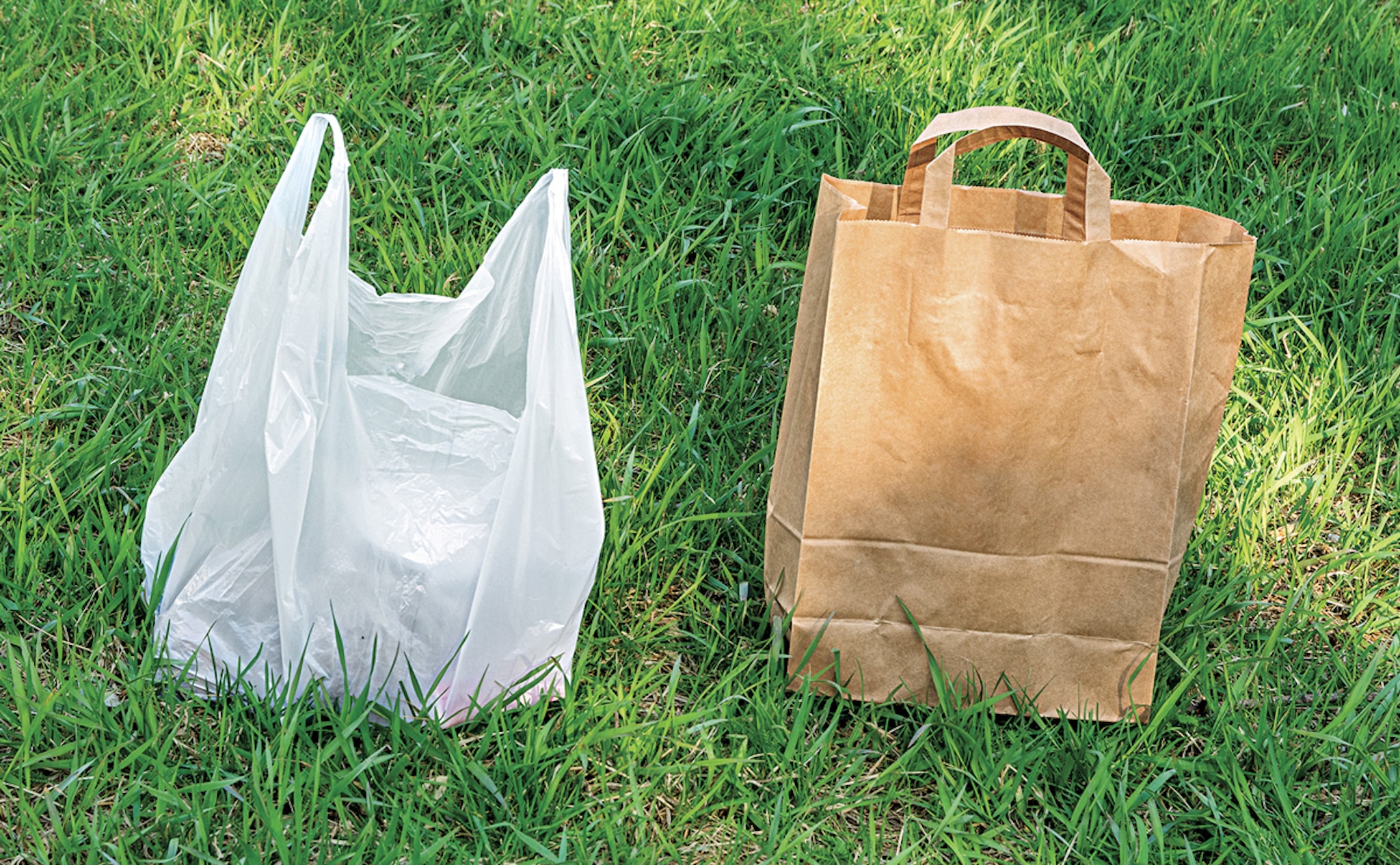
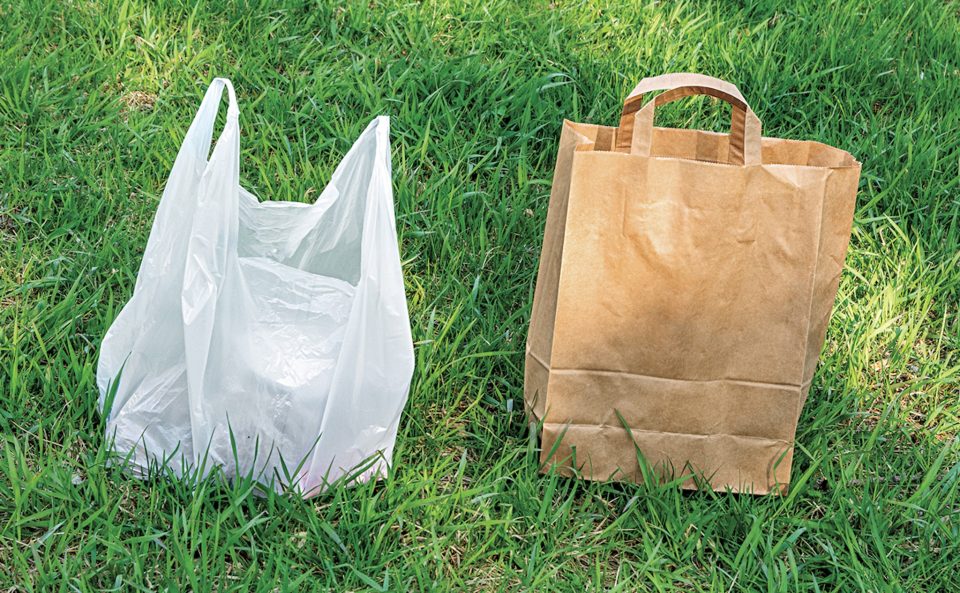
As mentioned above, assuming that paper bags are always greener than plastic bags is a misconception stemming from campaigns by various organizations and entities. In fact, manufacturing paper bags requires significantly more resources than plastic bags. Specifically, paper bags require about 4 times more water to produce than plastic bags, while also generating over 3,1 times more greenhouse gas emissions (due to growing and harvesting trees).
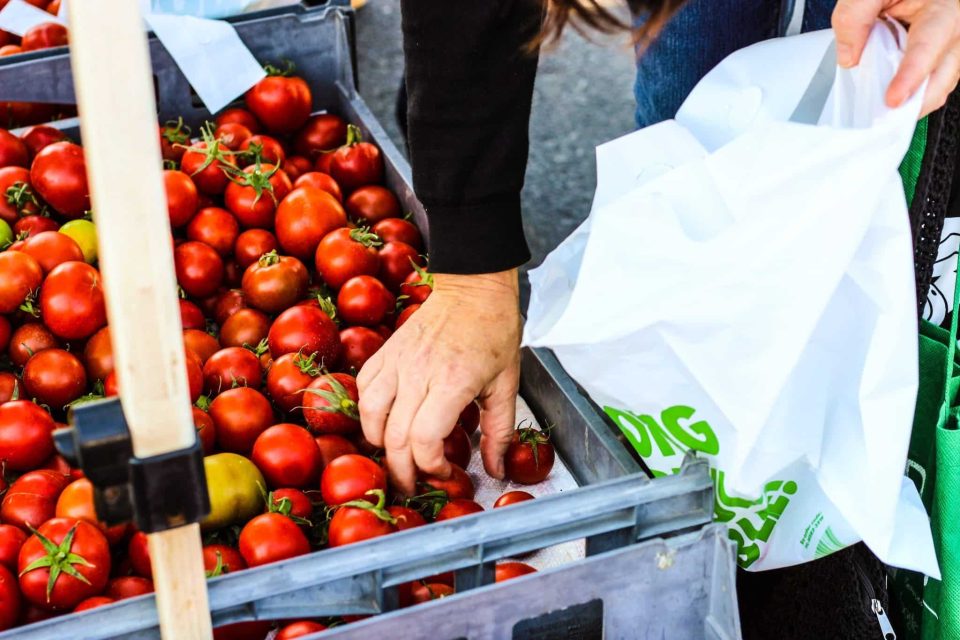
In addition, many plastic bags are made from polyethylene (PE), which is a byproduct of the natural gas refining process. This means humans do not need to create a separate process to produce this material. If not utilized, PE would otherwise be incinerated and disposed of without serving any positive purpose.
Usability
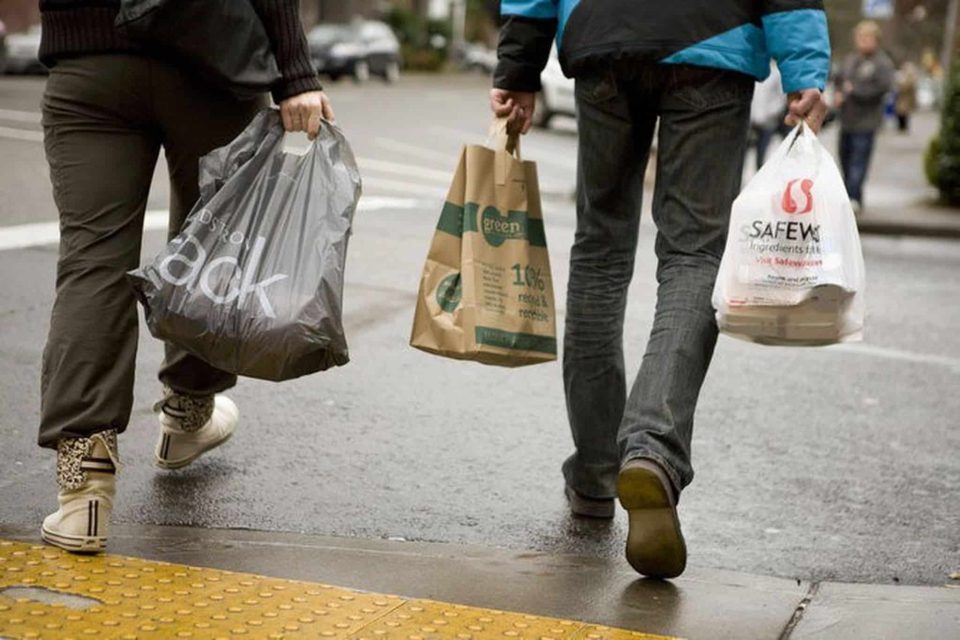
Another important aspect when discussing sustainability is reusability. In this regard, it is easy to see that paper bags or paper-based products are often at a disadvantage, as they are not waterproof and can easily tear or get damaged. Furthermore, the load-bearing capacity of paper products is inherently not high, which is considered a major weakness. To overcome this drawback, manufacturers must use a larger amount of paper during production. This brings us back to the earlier issue, creating a vicious cycle with the point mentioned above.
Plastic bags naturally do not suffer from the aforementioned drawbacks; on the contrary, they offer good load capacity, are waterproof, and are not easily damaged during use. Therefore, they are far more reusable.
Recyclability

Because paper bags are biodegradable, this is the main reason why people believe paper bags are truly "greener" than plastic bags. But in reality, this is not the case; paper bags are on average about 8 times heavier than plastic bags, meaning transporting them is significantly more difficult. For example, transporting 2 million paper bags to a recycling facility would require 7 times more trucks than for 2 million plastic bags. The emissions impact of this difference becomes substantial over time.
Furthermore, plastic bags do not degrade easily, so they can be remanufactured from a material indefinitely. Meanwhile, the lifespan of paper is very limited because its fibrous structure easily breaks down upon reaching its recycling lifespan limit.
Disposal
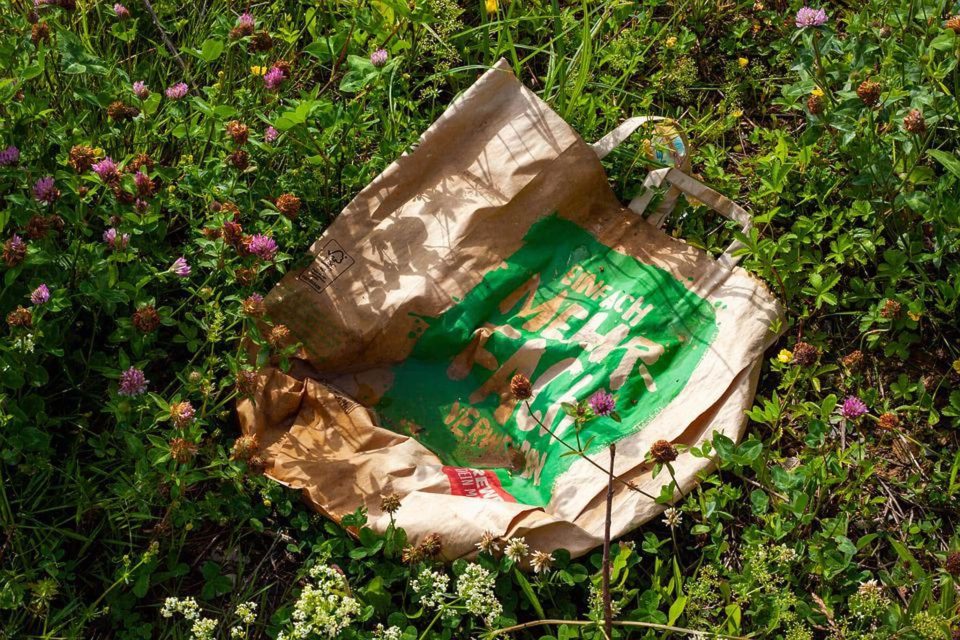
Finally, proper bag disposal also significantly contributes to their "greenness". Irresponsible disposal of paper bags also exacerbates greenhouse gas emissions. Most people believe that paper bags are made from biodegradable materials, so throwing them away with other waste or dumping them in landfills does not have much of an impact. However, this is a misconception because biodegradable materials require an oxygen-rich environment to decompose properly. Without this, they decompose into methane, one of the most harmful greenhouse gases to our atmosphere.
Carbon footprint of plastic bags and paper bags
According to data from CO2 Everything, a paper bag has a carbon footprint of approximately 5,52kg, equivalent to the emissions produced by a car over a distance of 28km. In contrast, a reusable plastic bag has a carbon footprint of 21,51kg, while a single-use plastic bag has a carbon footprint of only 1,58kg.
The article only analyzes from the perspective of carbon footprint; however, to truly assess the "greenness" of a material, many other factors must also be considered. For example, paper bags that decompose naturally will not harm wild animals and ecosystems. Additionally, marine animals will not ingest plastic waste as seen in many common images. The important thing here is that we should maximize the use of products, whether paper or plastic, to extend product lifecycles. Furthermore, waste collection and recycling also need to be improved so that plastic products do not impact the environment. In summary, both paper and plastic bags have their own pros and cons, and the choice of use still depends on you.
Source:
https://carbonpositiveaustralia.org.au/paper-bags-vs-plastic-bags/
https://justenergy.com/blog/how-to-calculate-your-carbon-footprint/
https://en.m.wikipedia.org/wiki/Carbon_footprint
https://www.nature.org/en-us/get-involved/how-to-help/carbon-footprint-calculator/