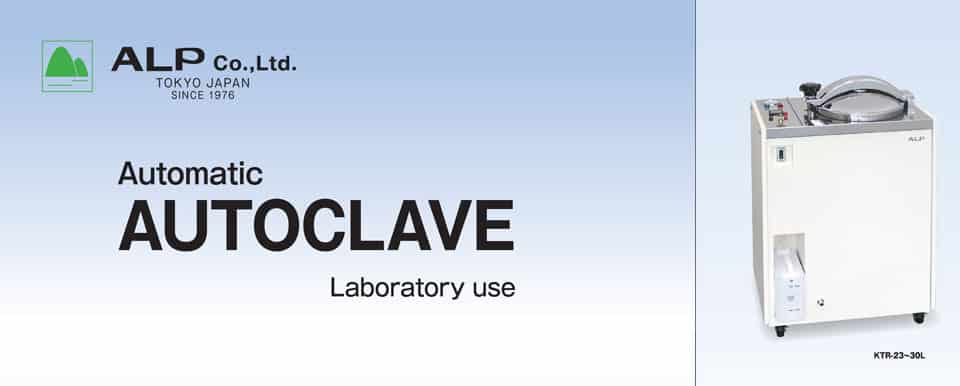
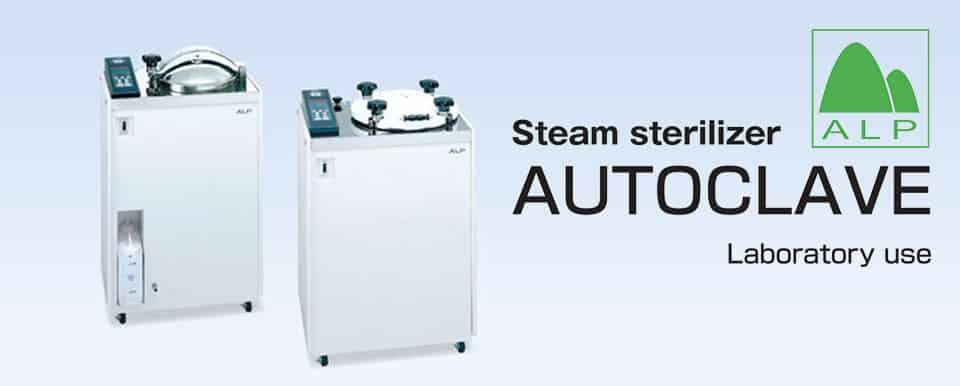
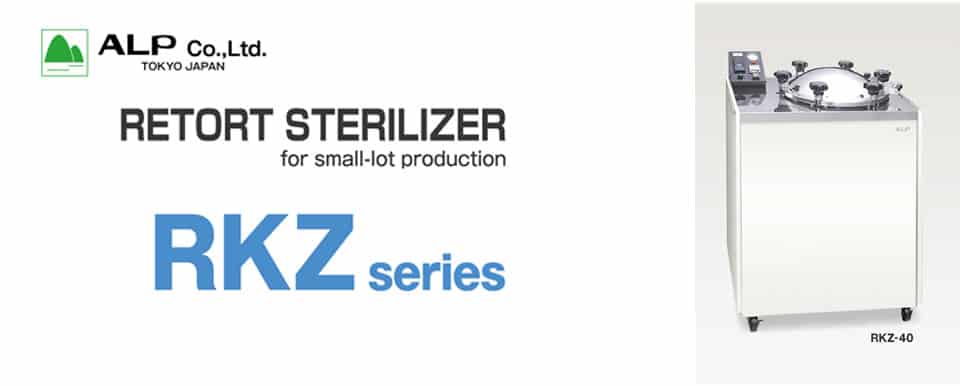
ALP high-pressure packaging retort autoclave: Worldwide packaging food sterilization solution.
Food sterilization methods
Bacteria begin to grow when food is cooked or processed. The continuous growth of bacteria leads to food spoilage. If consumers consume these foods, they will suffer from food poisoning.
Therefore, cooking food by frying, simmering, or boiling kills and reduces the number of certain bacteria. This method is called "Heat Sterilization". However, bacteria can still reappear and grow in food even after it is cooked, making product storage and distribution difficult. This occurs because the product enters a state where bacteria can easily proliferate due to ambient environmental factors.
One of these factors is the air surrounding the food. Another is having the food at temperatures where bacteria easily proliferate. Therefore, the method of packaging processed food into pouches, bottles, and cans was developed to preserve food in a state that minimizes exposure to air.
Methods of food preservation
A common method for preserving packaged food for longer use is chilling or freezing. Packaging allows you to preserve food, but you need to minimize the bacterial count before packaging.
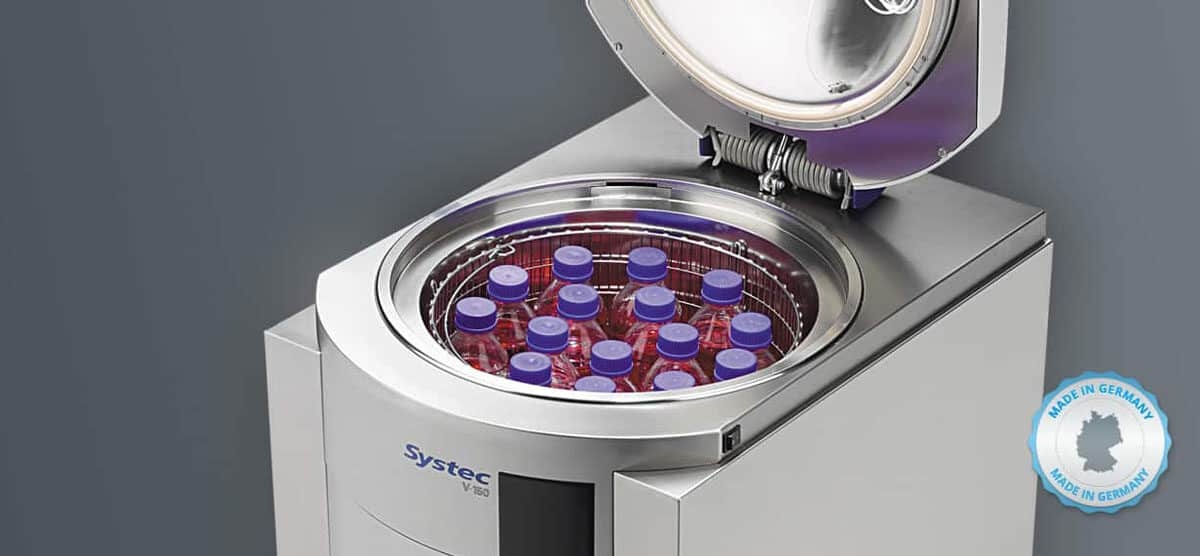
The most effective method for reducing the bacterial count in packaged foods is known as "sterilization". Boiling is a common method for sterilizing bacteria in packaged foods; however, boiling temperatures only reach around 100°C. This requires a longer sterilization time and can apply excessive heat, damaging the food's original flavor, texture, and nutrients. Therefore, high-pressure packaging autoclaves have been developed and put into use, enabling shorter sterilization times at 100°C or higher using high-pressure steam.
If you sterilize packaged food using a conventional autoclave, the differential pressure between the chamber and the inside of the package can cause the packaging to burst. However, a high-pressure retort autoclave compensates for this pressure difference by applying pressure to the outside of the packaging, preventing it from rupturing.
ALP high-pressure retort autoclave cools pouches with a shower immediately after sterilization, preventing the food inside the pouch from deteriorating. In addition, the autoclave is equipped with a sensor that can measure the internal food temperature and a data logger that displays the F-value (a value indicating the degree of sterilization), allowing you to determine the optimal sterilization conditions for each type of food.
Today, we are forced to rethink food in the face of issues such as population explosion, the global coronavirus pandemic, natural disasters caused by environmental problems, and food waste in developing countries. Addressing these challenges, packaged food that can be preserved for a certain period is gaining popularity worldwide. A new eating style, different from the past, can begin with “Retort”.
Applications
- Food manufacturing industry: Development of new food products, including packaging.
- Packaging material manufacturing industry: Durability testing of packaging materials.
- Agriculture – Forestry – Fishery industry: Small-scale production of packaged food using natural products.
- Restaurants: Packaged food served in restaurants without compromising flavor and texture.
- Hospitals / Healthcare facilities: Serving packaged meals to patients.
- Pet food manufacturing industry: Long-term preservation of wet pet food and reduction of distribution costs.
We hope customers will consider the ALP High-Pressure Retort Autoclave if you are planning to start a ready-to-eat food business. As a leading supplier of genuine imported scientific equipment, consumables, and instruments, Hoa Viet is confident in meeting your most demanding requirements.