Airborne virus detection using Sartorius air samplers
The Covid-19 pandemic caused by the SARS-CoV-2 virus has proven devastatingly dangerous and poses a major challenge to the world. Scientists worldwide continue their intensive research to understand the characteristics and transmission behavior of the virus.
How to detect airborne SARS-CoV-2 virus?
A study conducted at the Rocky Mountain Laboratories of the US National Institutes of Health (NIH) showed that the SARS-CoV-2 virus causing Covid-19 can survive in the air for up to 3 hours and on some surfaces for up to 3 days. However, it is currently very difficult to determine the presence of the SARS-CoV-2 virus in the air due to challenges in sampling virus-laden aerosols.
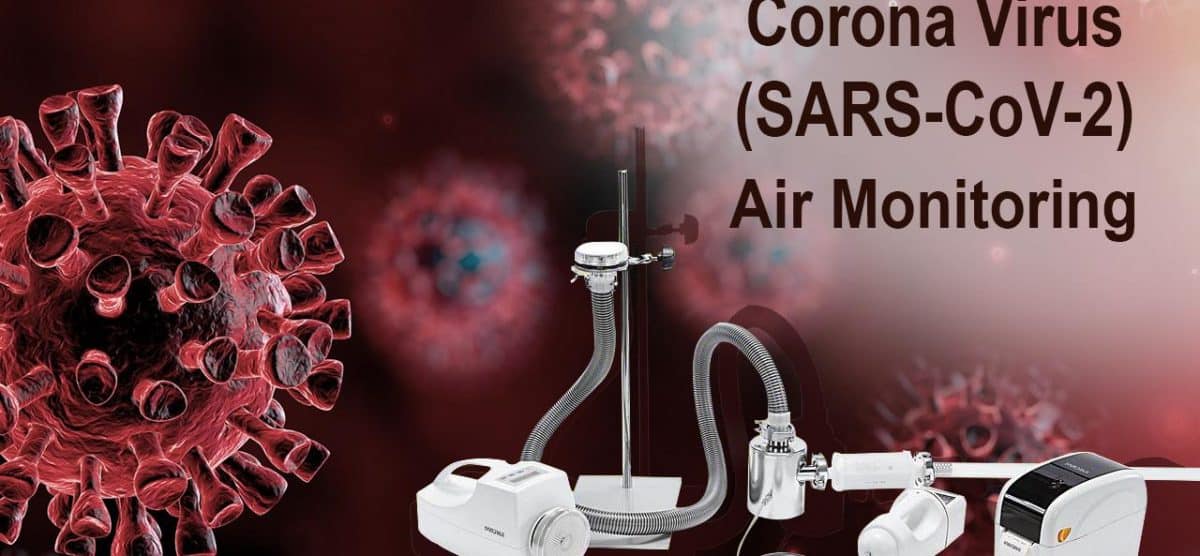
Using an air sampler is an effective way to accomplish this. In particular, Sartorius air samplers from Germany are highly evaluated by experts for their ability to detect airborne viruses and microorganisms.
Currently, Hoa Viet is an authorized distributor of genuine Sartorius air samplers. Key Sartorius products include: portable air samplers MD8, MD8 Airscan®, and AirPort MD8.
Sartorius air samplers are designed to detect airborne viruses and microorganisms using Gelatin Membrane Filters (GMF) and unique BACTair™ agar plates. Additionally, MD8 Airscan® and AirPort MD8 are used for ambient air sampling in cleanrooms, controlled environments, and public areas to monitor viable microorganisms.
In particular, MD8 Airscan® and AirPort MD8 are capable of continuous air sampling for 8 hours or more using just a single gelatin membrane filter. This eliminates false-negative results and utilizes proprietary filters that retain even the smallest airborne microorganisms, while monitoring viability with high precision.
Air sampling method to detect aerosol SARS-CoV-2 RNA concentrations in Wuhan hospitals during the COVID-19 outbreak
Introduction
Originating in Wuhan city, it subsequently spread to numerous countries and territories. In view of the threat posed by COVID-19, the WHO declared COVID-19 a global pandemic. The pathogen was identified as a novel, highly contagious coronavirus designated as Severe Acute Respiratory Syndrome Coronavirus 2 (SARS-CoV-2).
Transmission of SARS-CoV-2 in humans occurs via at least 3 sources:
- Inhalation of pathogen-containing liquid droplets
- Close contact with infected individuals
- Contact with SARS-CoV-2 contaminated surfaces
Furthermore, aerosol transmission of pathogens has been demonstrated in confined spaces. Many respiratory diseases spread through the air, such as tuberculosis, measles, and chickenpox. A study conducted during the 2003 SARS epidemic in Hong Kong suggested that airborne spread may have played an important role in disease transmission.
Currently, there is very little information regarding the characteristics of aerosol-laden SARS-CoV-2. This creates difficulties in quantifying low-concentration airborne viruses. Few studies address risk mitigation, assessment efficacy, prevention, and control of the COVID-19 disease. The study of airborne SARS-CoV-2 was conducted in various areas across two hospitals and public spaces in Wuhan, China – the epicenter city of the initial outbreak. The objective of our study was to:
- Quantify airborne SARS-CoV-2 concentrations both in hospitals and outdoor public areas.
- Evaluate the size distribution of airborne SARS-CoV-2 aerosols, which may serve as an intermediate medium and airborne transmission route.
- Determine the deposition rate of airborne SARS-CoV-2 in patient rooms.
1. Study Design
This study is an experimental investigation into the concentration and aerodynamic characteristics of airborne SARS-CoV-2 aerosols in different areas of two hospitals:
Renmin Hospital of Wuhan University, designated for the treatment of severe symptomatic COVID-19 patients during the epidemic outbreak, and
Wuchang Fangcang Shelter Hospital, one of the first temporary hospitals renovated from an indoor sports stadium, used for the quarantine and treatment of mild symptomatic patients and outdoor public areas in Wuhan during the coronavirus outbreak.
Subsequently, we further classified the sampling sites into three categories based on their accessibility to different groups:
- Patient-Accessible Areas (PAA), containing COVID-19 patients, including: Intensive Care Unit (ICU), Coronary Care Unit (CCU), and patient rooms in Renmin Hospital, restrooms, and staff workstations in Fangcang Hospital.
- Medical Staff Areas (MSA), workspaces of the two hospitals accessed by healthcare workers in direct contact with patients.
- Public Areas (PUA): Descriptions and characteristics of the sampling sites are shown in Table S1.
Three types of aerosol samples were collected:
- Total suspended particulate (TSP) aerosol samples, with no upper size limit to quantify aerosol SARS-CoV-2 RNA concentrations.
- Size-segregated aerosol samples to determine the size distribution of airborne SARS-CoV-2.
- Aerosol deposition samples to determine the airborne SARS-CoV-2 deposition rate.
2. Sampling
Sampling was conducted from February 17 to March 2, 2020, in two batches across the sites.
All aerosol samples were collected on presterilized gelatin filters (Sartorius, Germany). A total of 30 TSP aerosol samples were collected on 25mm diameter filters loaded into styrene filter cassettes (SKC Inc, US). Air samples were taken at a fixed flow rate of 5,0 liters/minute (LPM) using a portable pump (APEX2, Casella, US).
A total of 3 size-fractionated aerosol samples were collected using a miniature cascade impactor (Sioutas, SKC Inc., USA) that separates aerosols into five ranges (> 2,5 μm, 1,0 to 2,5 μm, 0,50 to 1,0 m, and 0,25 to 0,5 m on 25mm filter substrates and 0 to 0,25 mm on 37mm filters) at a flow rate of 9.0 LPM.
A total of 2 dry aerosol deposition samples were collected using 80mm diameter filters mounted on a holder with an area of 43,0 cm2. The filters were placed on the floor in two corners of the ICU room at Renmin Hospital for 7 days.
3. Analytical Methods and Data Analysis
After aerosol sample collection, all samples were processed immediately in the BSL-2 laboratory of Wuhan University. The 25, 37mm, and 80mm filter samples were dissolved in deionized water, followed by the addition of TRIzol LS Reagent (Invitrogen) to inactivate the SARS-CoV-2 virus and extract RNA according to the manufacturer's instructions. The first-strand cDNA was synthesized using the PrimeScript RT kit (Takara). Optimized ddPCR was used to detect the presence of the SARS-CoV-2 virus.
ddPCR data analysis was performed using QuantaSoft software (Bio-Rad). Concentrations were reported according to the protocol as copies per microliter of the final 1x ddPCR reaction, normalized to m-3 across all results, and the aerosol concentrations of viral RNA or viruses were subsequently expressed accordingly.