
 All
 SYKAM - Germany
 Systec - Germany
 Atago - Japan
 Sartorius - Germany
 Shimadzu - Japan
 Binder - Germany
 Interscience - France
 Haier - China
 Rocker - Taiwan
 Hirschmann - Germany
 Newstar - China
 Jet Biofil - China
 Nabertherm - Germany
 Vitlab - Germany
 Alla - France
 AT-OS - Italy
 Jipo - Czech Republic
 ALP - Japan
 Aptaca - Italy
 Assistent - Germany
 Yamato - Japan
 Burkle - Germany
 Aureole - India
 Duran - Germany
 Azlon - Anh
 Kimble-DWK - USA
 Julabo - Germany
 B+S - Anh
 SI Analytics - Germany
 WTW - Germany
 EBRO - Germany
 Sturdy - Taiwan
 PTI - USA
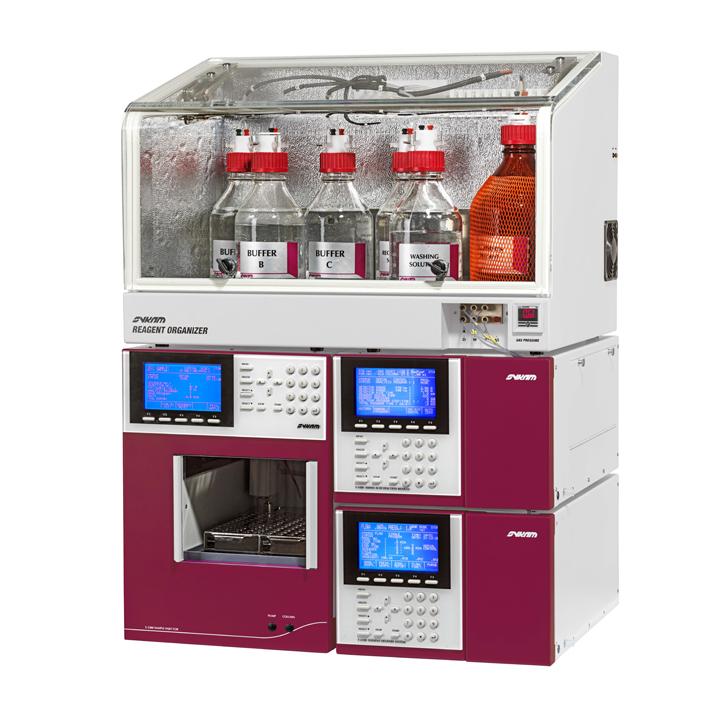 Analytical Equipment
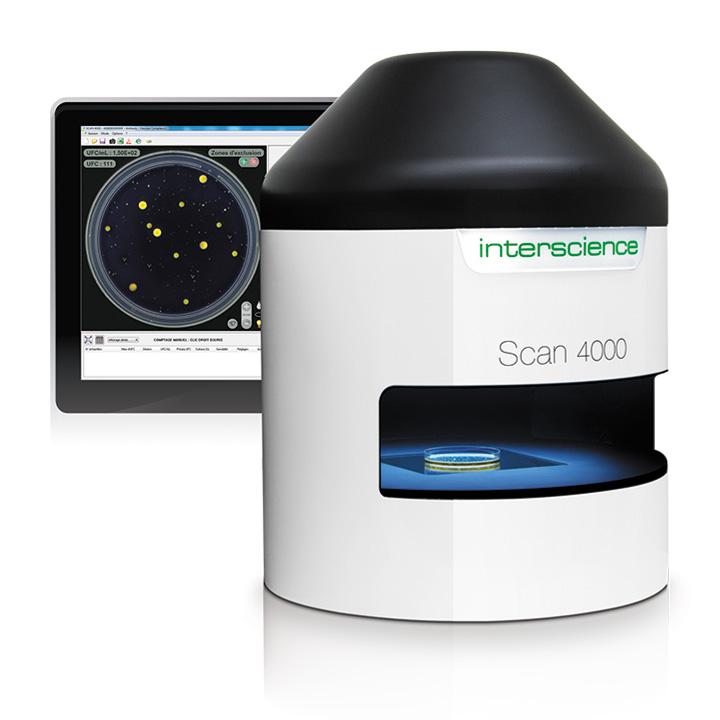 Microbiology Equipment
- Gravimetric Diluters and Sample Weighing Systems
- Mediaprep Automated Media Preparators
- Mediafill Automated Media Distributors
- Manual Media Dispensers
- Lab Blenders / Homogenizers
- Automated Spiral Platers
- Manual Colony Counters
- Automated Colony Counters
- Inhibition Zone Readers
- Automated Incubators and Colony Counters
- Biosafety Cabinets
- Laminar Flow Hoods
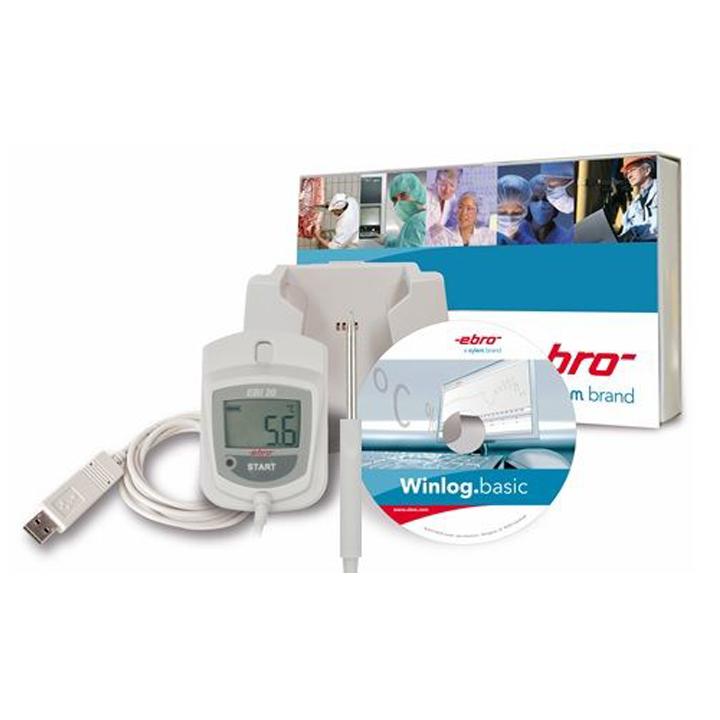 Temperature, Humidity, and Pressure Measuring Instruments
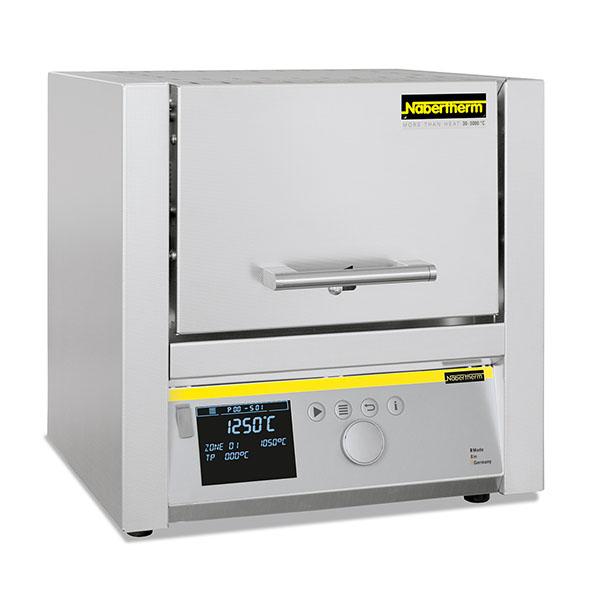 Other Basic Equipment
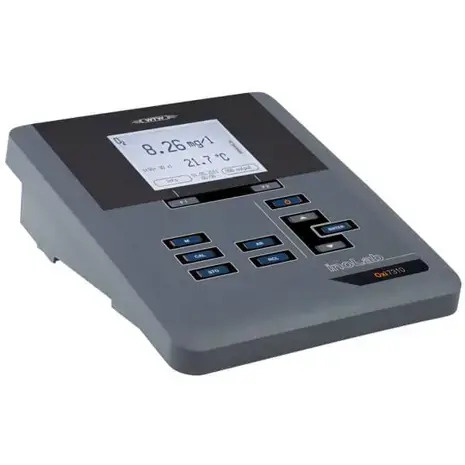 Multiparameter Water Quality Meters
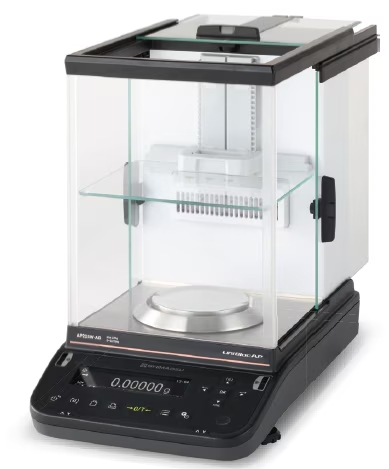 Balances
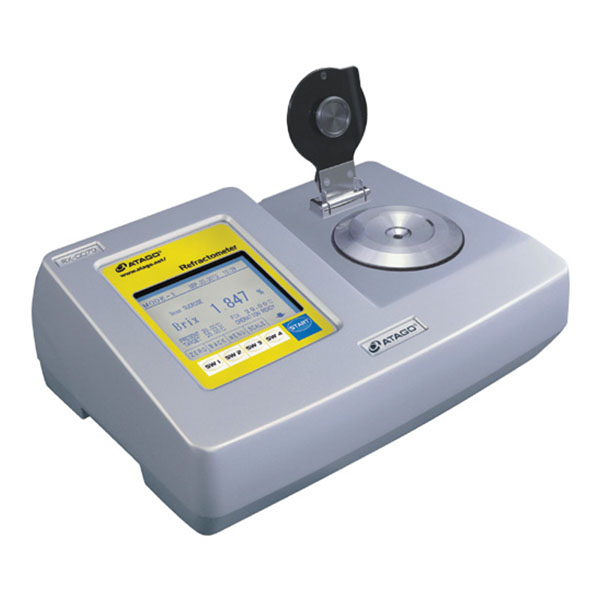 Polarimeters, Refractometers
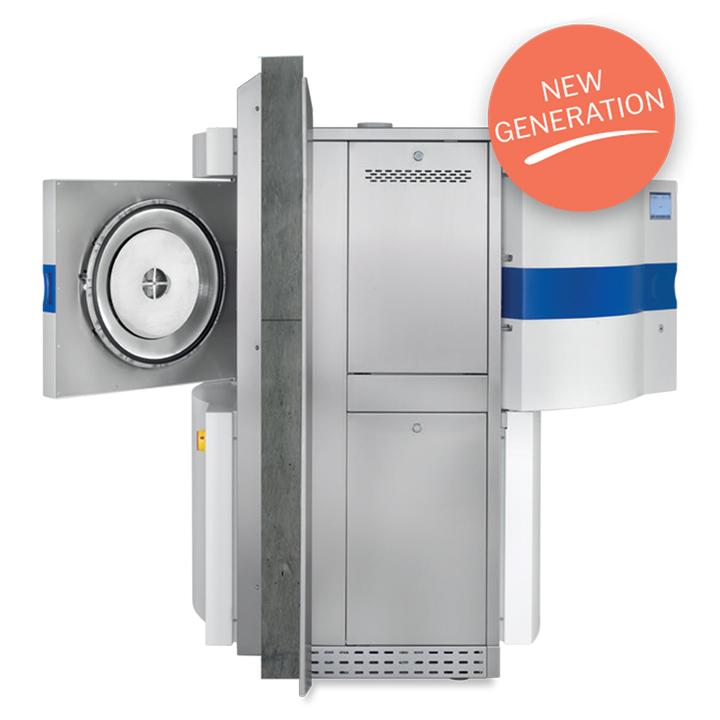 Autoclaves
 Biotechnology Equipment and Solutions
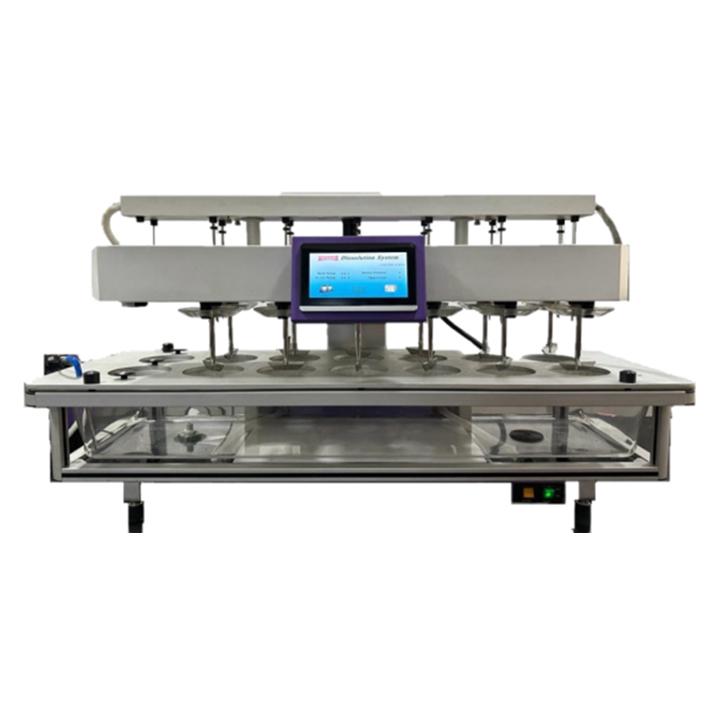 Pharmaceutical Equipment
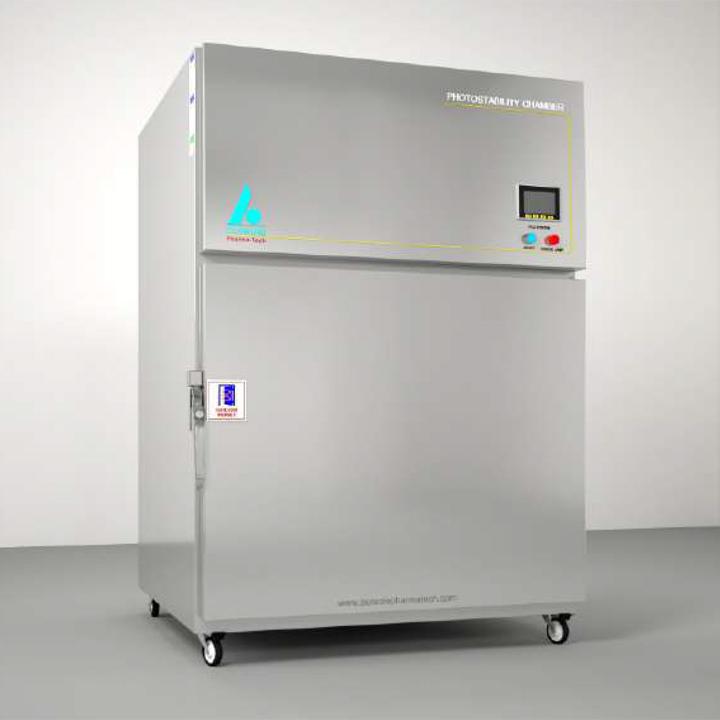 Shelf-life Testing Equipment
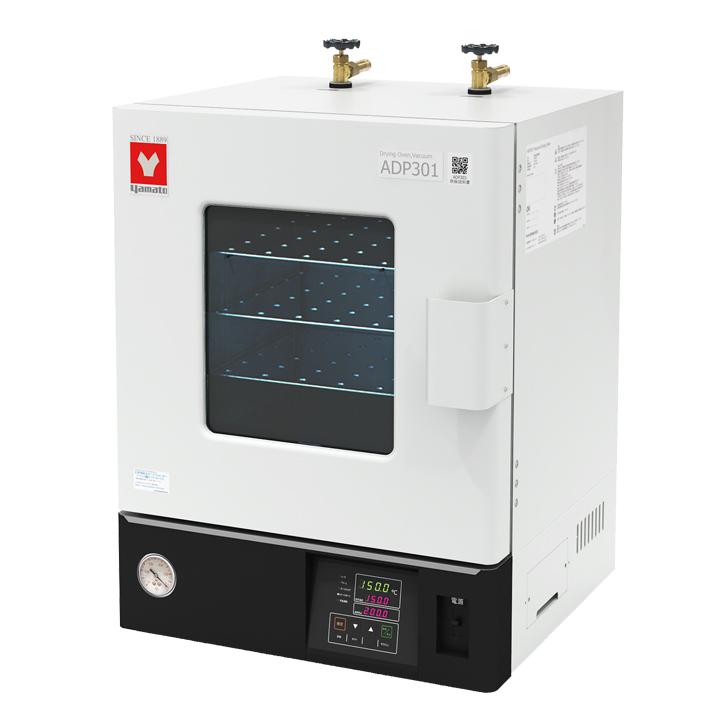 Drying Ovens
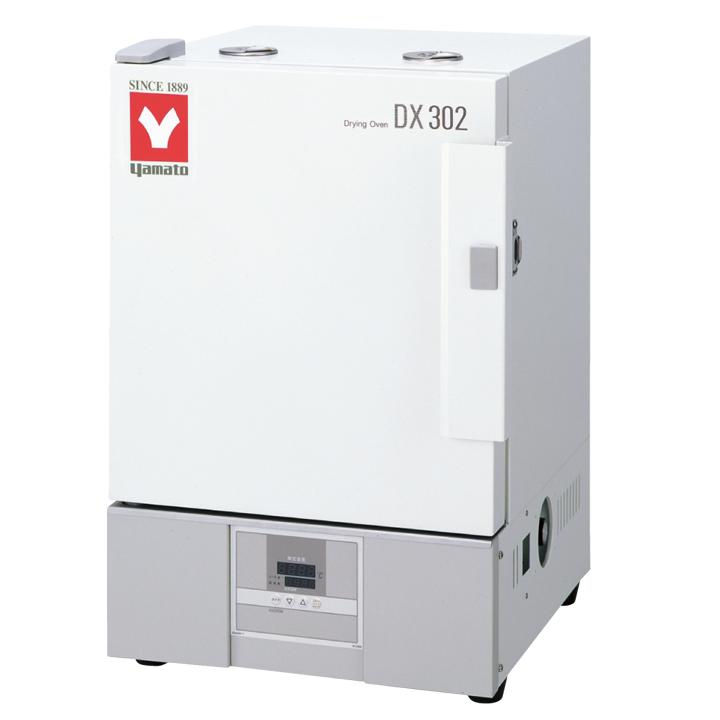 Incubators
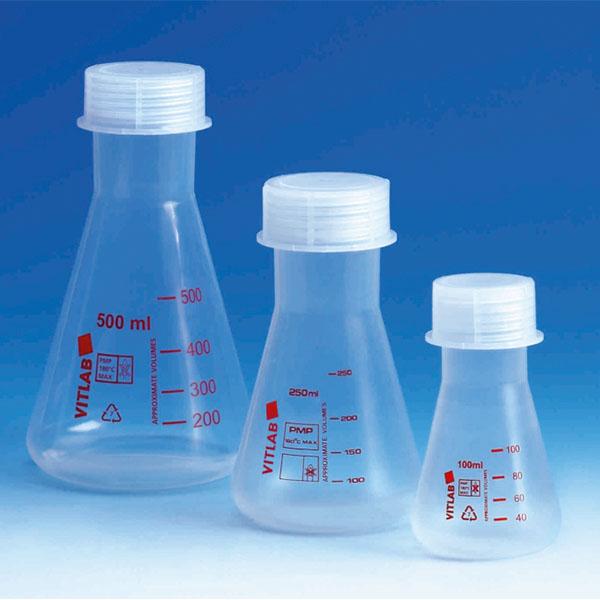 Laboratory Flasks
 Beakers, Measuring Jugs
 Liquid Handling Tools
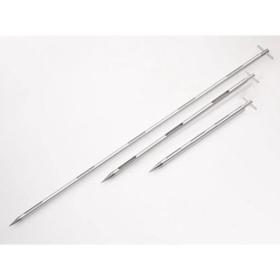 Sampling Tools
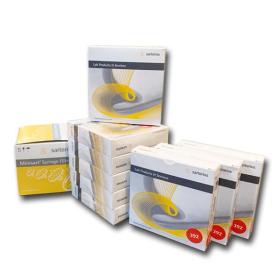 Filtration Tools and Consumables
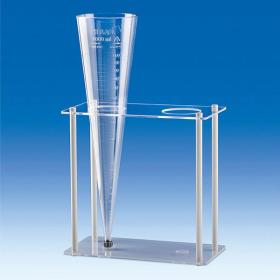 Racks and Stands
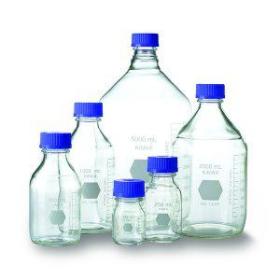 Laboratory Bottles and Vials
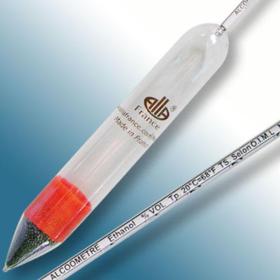 Thermometers, Hydrometers, Baumé Hydrometers, Alcoholmeters
 Pipettes
 Test tubes
 Graduated cylinders
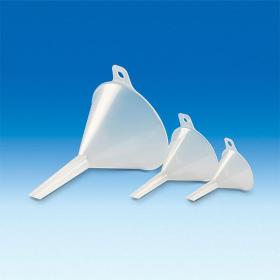 Funnels
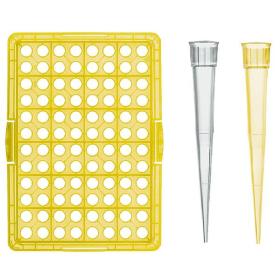 Tips & tip boxes
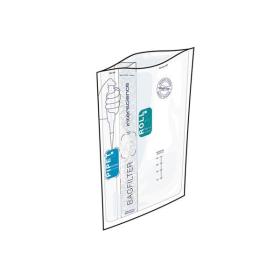 Homogenizer bags
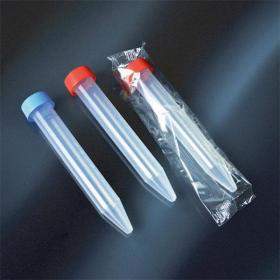 Centrifuge tubes
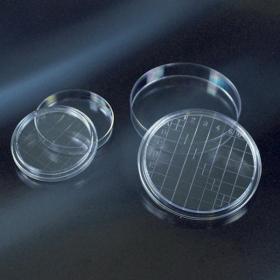 Petri dishes
 Others
- Glass capillary tubes
- Glass melting point tubes
- Condensers
- Plastic weighing boats
- Glass stirring rods
- Filtration and separation equipment
- Alcohol burners
- Glass weighing bottles
- Crucibles
- Crucible tongs
- Blender bag openers
- BagClip sealing clips
- Autoclave deodorant capsules
- Magnetic stir bars
- Test tube brushes
- Glass watch glasses
- Glass beads
- Glass wool
- Glass slides
- Plastic buckets
- Stainless steel bucket
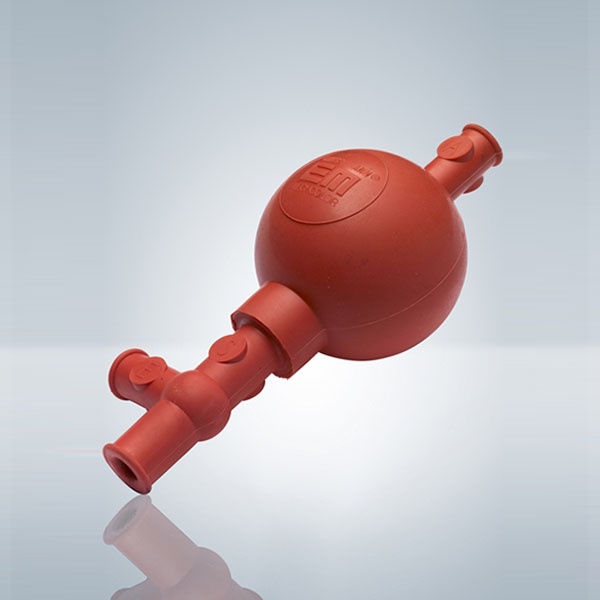
- Rubber bulb
- Inoculation loop
- Sampling rod
- Plastic spoon
- Stainless steel spoon
- Plastic tweezers
- Glass burette
- Glass slide
- Glass filter crucible

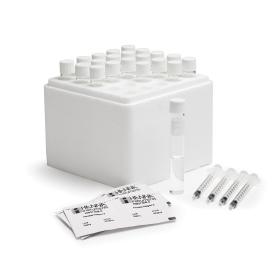
Refractometers
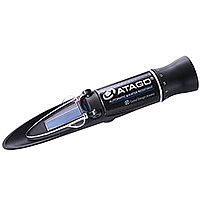
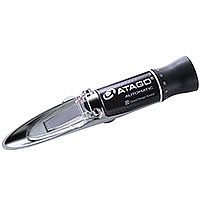


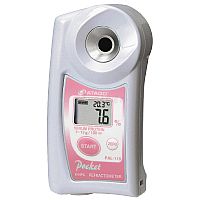


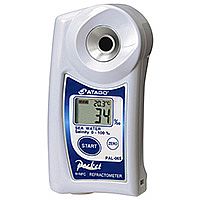

About Refractometers
Refractometers are optical or digital instruments used to measure refractive index, thereby determining the concentration of dissolved substances such as sugar content (Brix) or salinity in liquid and semi-solid samples. They are widely used in quality control for food, beverages, agriculture, as well as industrial solutions like metal cutting fluids.
When choosing a refractometer, users need to clearly determine the sample type and analytical parameters to be measured, from common samples such as juice, jam, and sauce to specific samples with high fat content or high viscosity. Depending on the working environment in the field or in the laboratory, buyers can choose between traditional handheld optical refractometers or compact digital refractometers. Currently, Hoa Viet supplies refractometers from the Atago (Japan) brand with a diverse product range, specifically tailored to each sample testing purpose.
How do traditional optical refractometers and digital refractometers differ?
Optical refractometers operate by observing the boundary line through an eyepiece under a light source to read the result. Digital refractometers use optical sensors to automatically convert signals and display measured values directly in digital form, minimizing human reading errors.
Which brands of refractometers does Hoa Viet provide?
Hoa Viet currently distributes refractometers from the Japanese brand Atago. The product line includes both MASTER series analog instruments and PAL series digital handheld devices for various applications.
What should be noted when cleaning and maintaining a refractometer prism?
After each measurement, use clean water or a soft, lint-free wipe to clean off the sample from the prism surface to prevent scratching. Do not allow chemicals or sample solutions to dry on the measuring surface, and always store the device in a dry place.
How to select a suitable refractometer for samples with high viscosity or high fat content?
For dark, high-fat, or highly viscous samples, users should choose specifically designed models to maintain stable measurement signals. Please send your requirements and specific sample details so Hoa Viet can recommend the appropriate model.
